Ways to Mix Textures to Elevate Any Space.
Mixing textures is one of the easiest ways to make a room look stylish, cozy, and high end without spending a lot. Texture adds depth, warms up neutral spaces, and helps your decor feel more complete. This quick guide will show you how to mix textures like a pro.
What Does It Mean to Mix Textures?
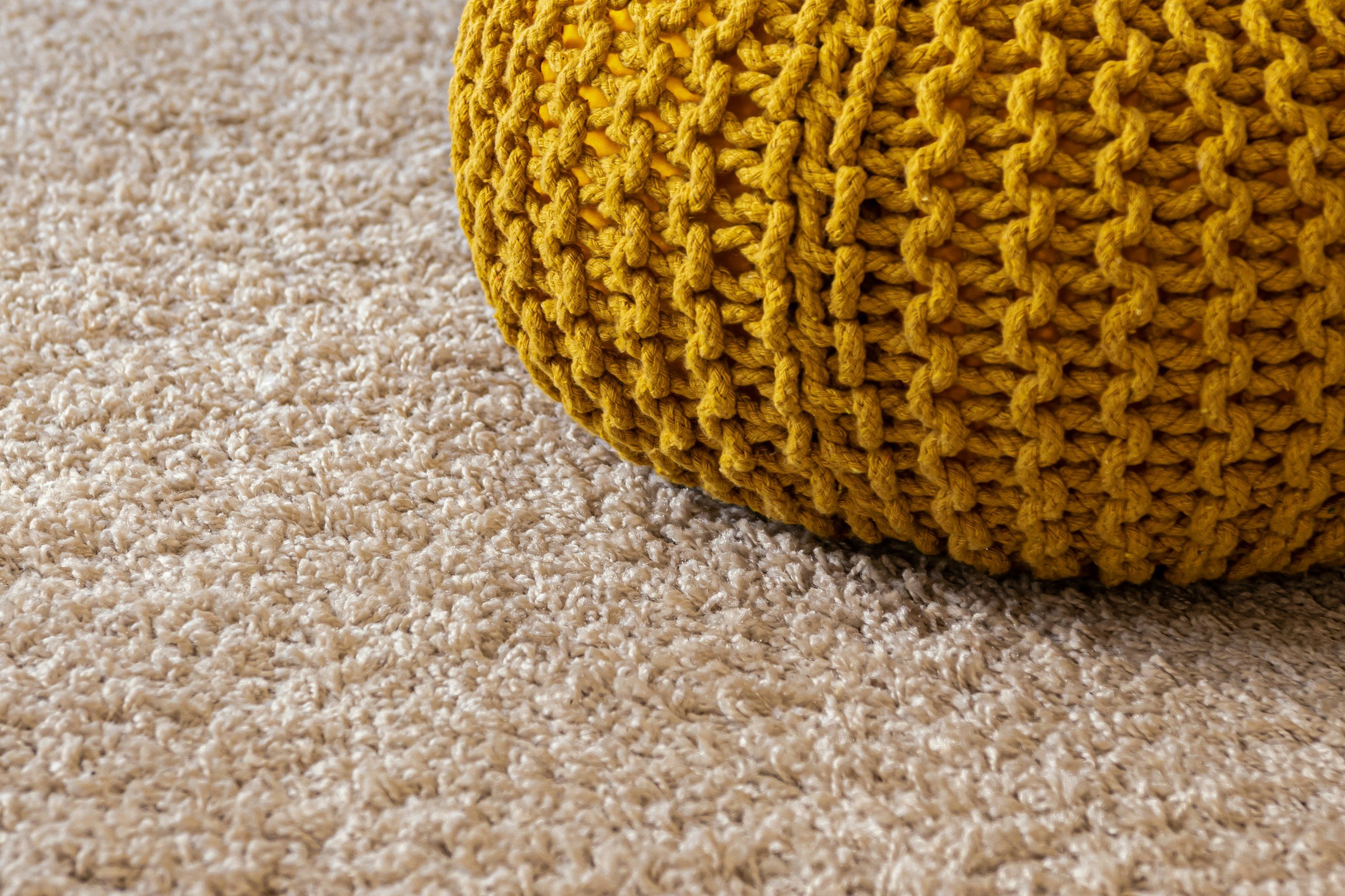
In interior design, texture is how something looks and feels, soft, rough, smooth, shiny, woven, or plush.
Mixing textures means combining different materials so your room feels layered, balanced, and visually interesting.
Simple Ways to Mix Textures in Any Room
Start With One Main Texture
Choose the texture that will set the tone of the room, like:
A fabric sofa
A leather chair
A wood table
A large area rug
This becomes your base.
Add Soft and Hard Textures Together
The easiest rule for beginners:
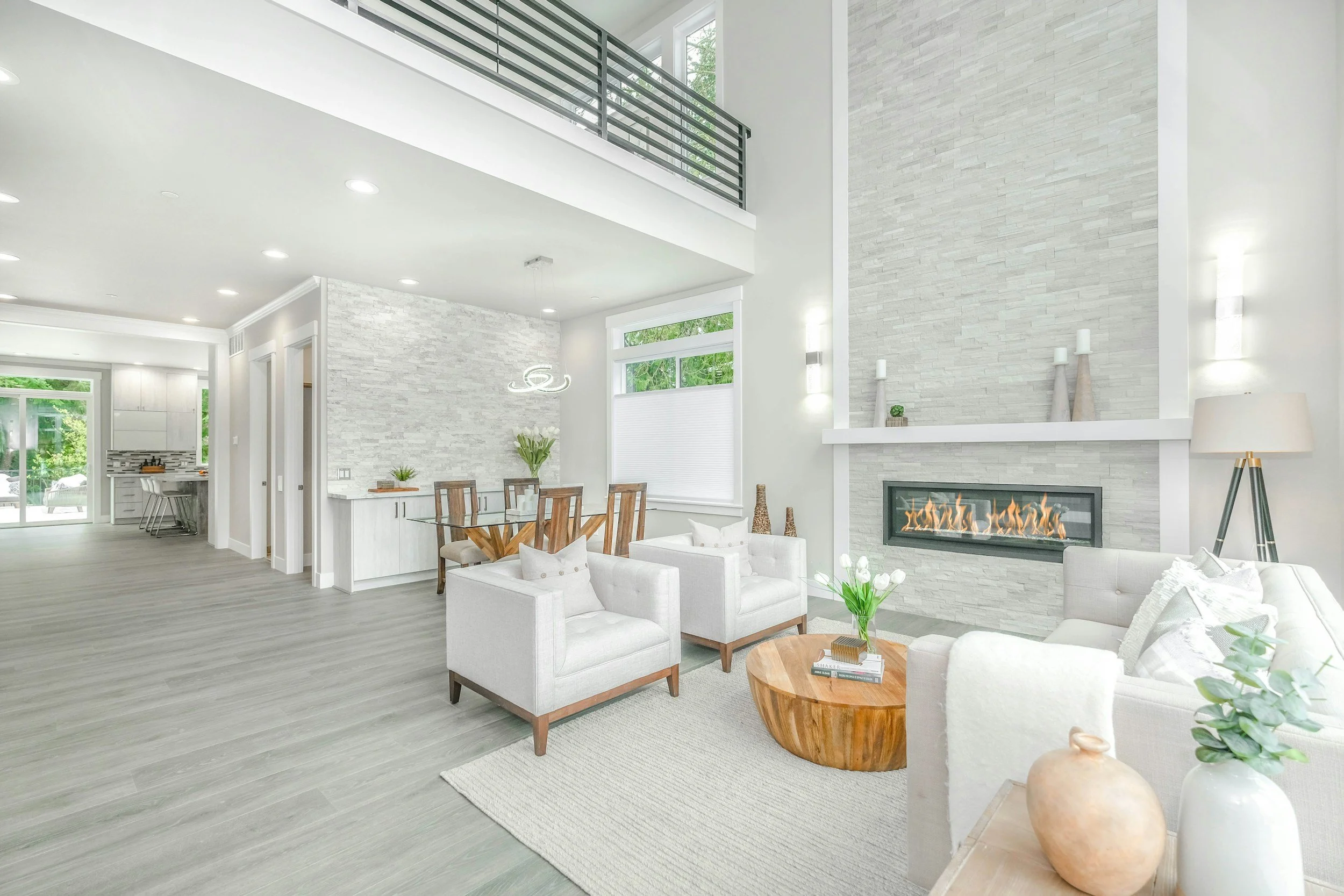
Soft + hard = luxury.
Try:
Soft throws on a leather chair
A fluffy rug under a metal table
Linen bedding with wood nightstands
This creates instant balance.
Mix Matte and Shiny Finishes
Combine:
Matte textures like wood, linen, velvet
Shiny textures like mirrors, glass, polished metals
This adds depth and keeps neutrals from looking flat.
Bring in Natural Materials
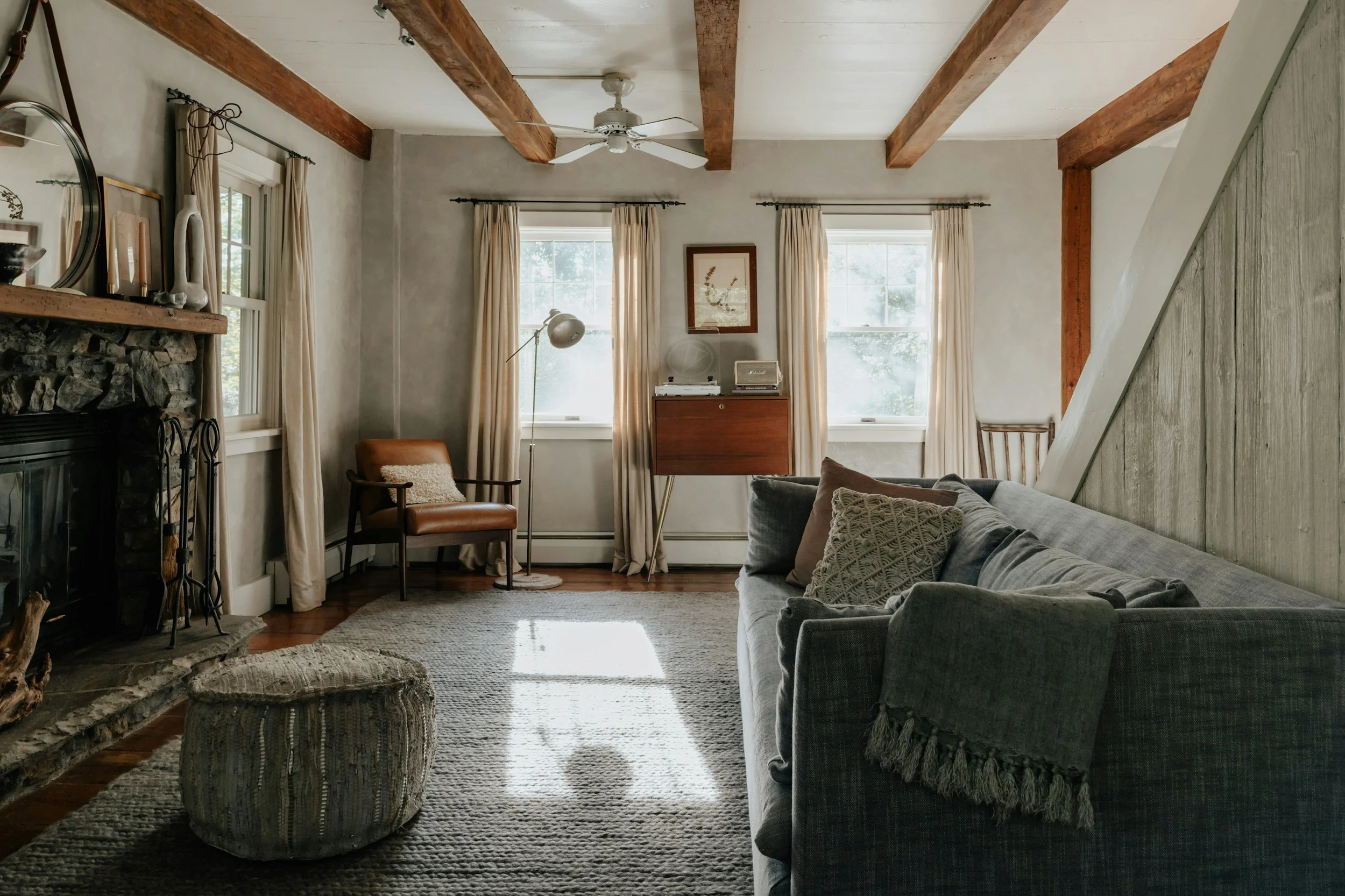
Natural textures make any space feel grounded and warm.
Great options:
Woven baskets
Jute or wool rugs
Wood decor
Plants
Stone vases
These instantly elevate your design.
Layer Soft Textiles
Soft layers create comfort and a luxe feel. Try:
Throw blankets
Velvet or linen pillows
Faux fur accents
Linen curtains
Even small changes make a big difference
Use Patterns for Visual Texture
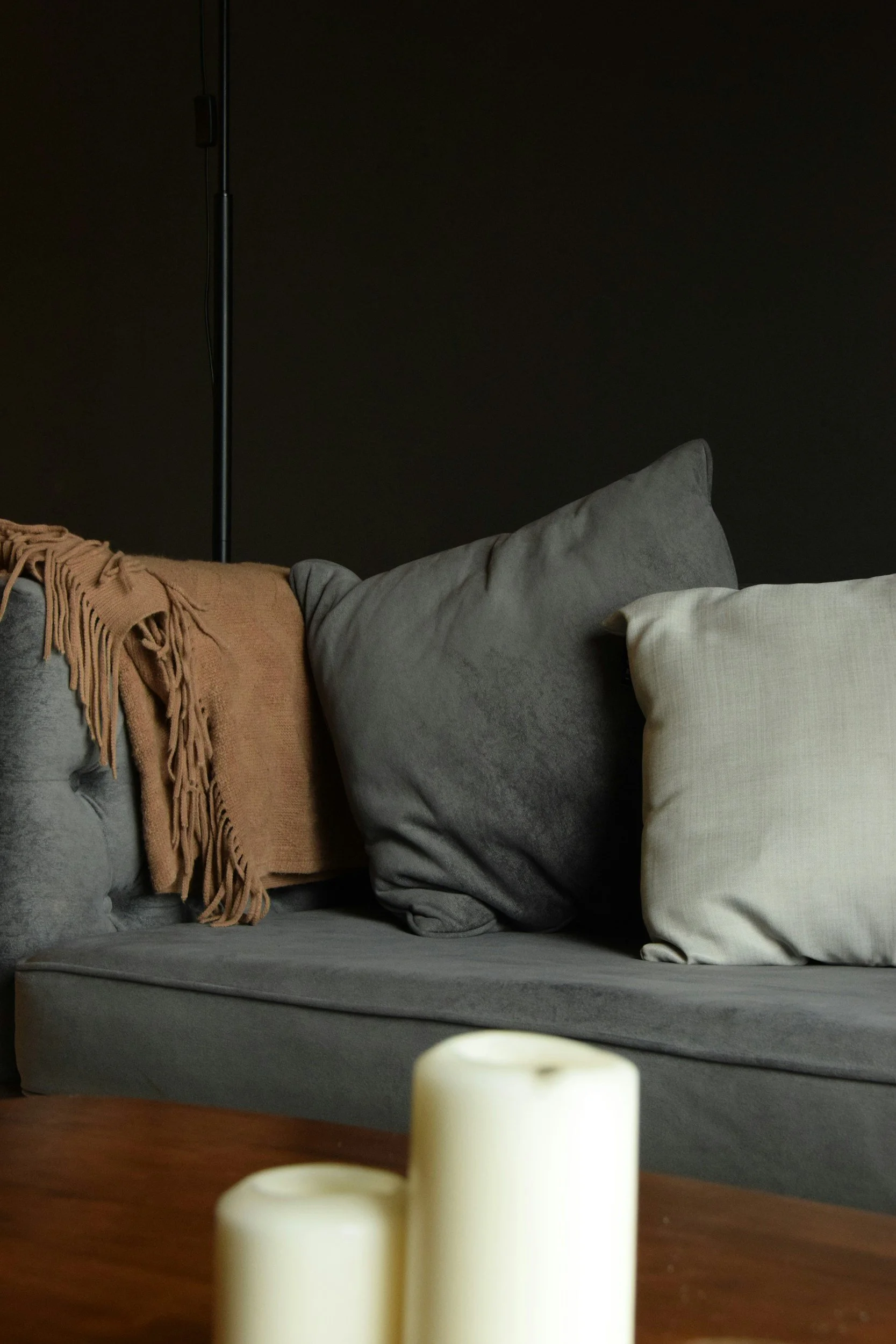
Patterns act like texture, even on smooth surfaces. You can add:
Patterned pillows
A patterned rug
A textured throw
Keep it simple to avoid clutter.
Mix Large, Medium & Small Textures
Change up the scale so your room doesn’t feel flat.
Examples:
Big: chunky knit throw
Medium: woven basket
Small: ceramic decor
This creates a layered look.
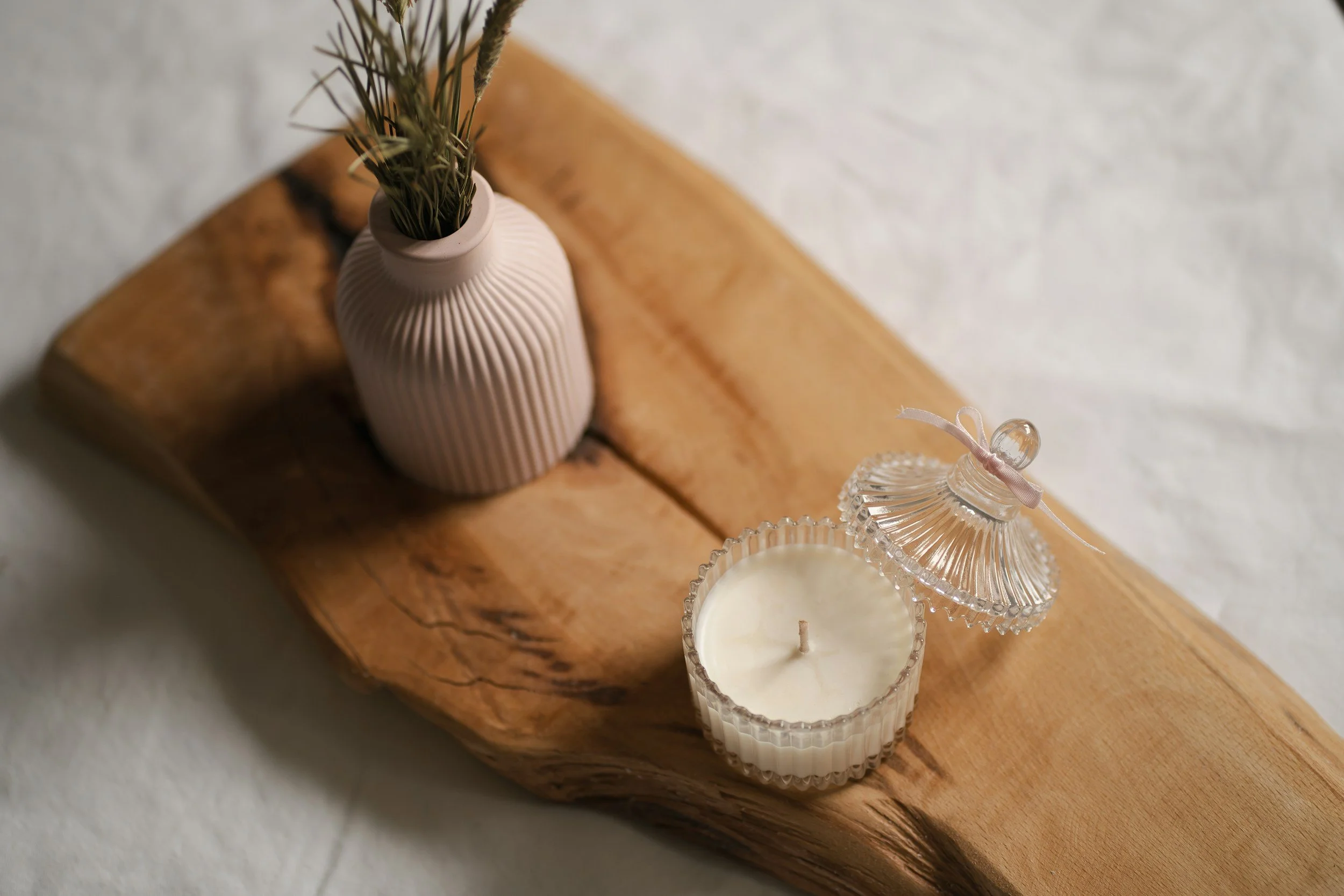
Texture Pairings That Always Work
Leather + wool
Wood + linen
Marble + metal
Velvet + glass
Rattan + cotton
These combinations look elevated in any style of home.
Avoid Texture Overload
To keep things simple:
Stick to 3–5 textures per room
Keep the color palette neutral
Use contrast, but don’t overdo it
Less is often more.
Easy Budget Texture Upgrades
Try adding:
Woven baskets
A textured throw pillow set
A wool or jute rug
Ceramic vases
Linen curtains
A rattan lamp
These small pieces instantly boost style.
Final Thoughts
Mixing textures is one of the best ways to elevate any space. By combining soft and hard materials, matte and shiny finishes, and natural and cozy elements, you can create a home that feels warm, stylish, and high end without a full makeover.