
What Defines Luxury Home Decor? The Essential Manifesto.
Explore the foundation pillars of high end interiors. From the vocabulary of natural stone to the discipline of architectural curation, discover how to define luxury through materiality and intentional design.
True luxury in the home is not a pursuit of labels or exorbitant price tags. It is a commitment to Materiality, Intentionality, and Longevity. It is the art of curating a space that feels disciplined yet deeply soulful, a sanctuary where every object has earned its place. This guide outlines the pillars of a truly elevated interior.
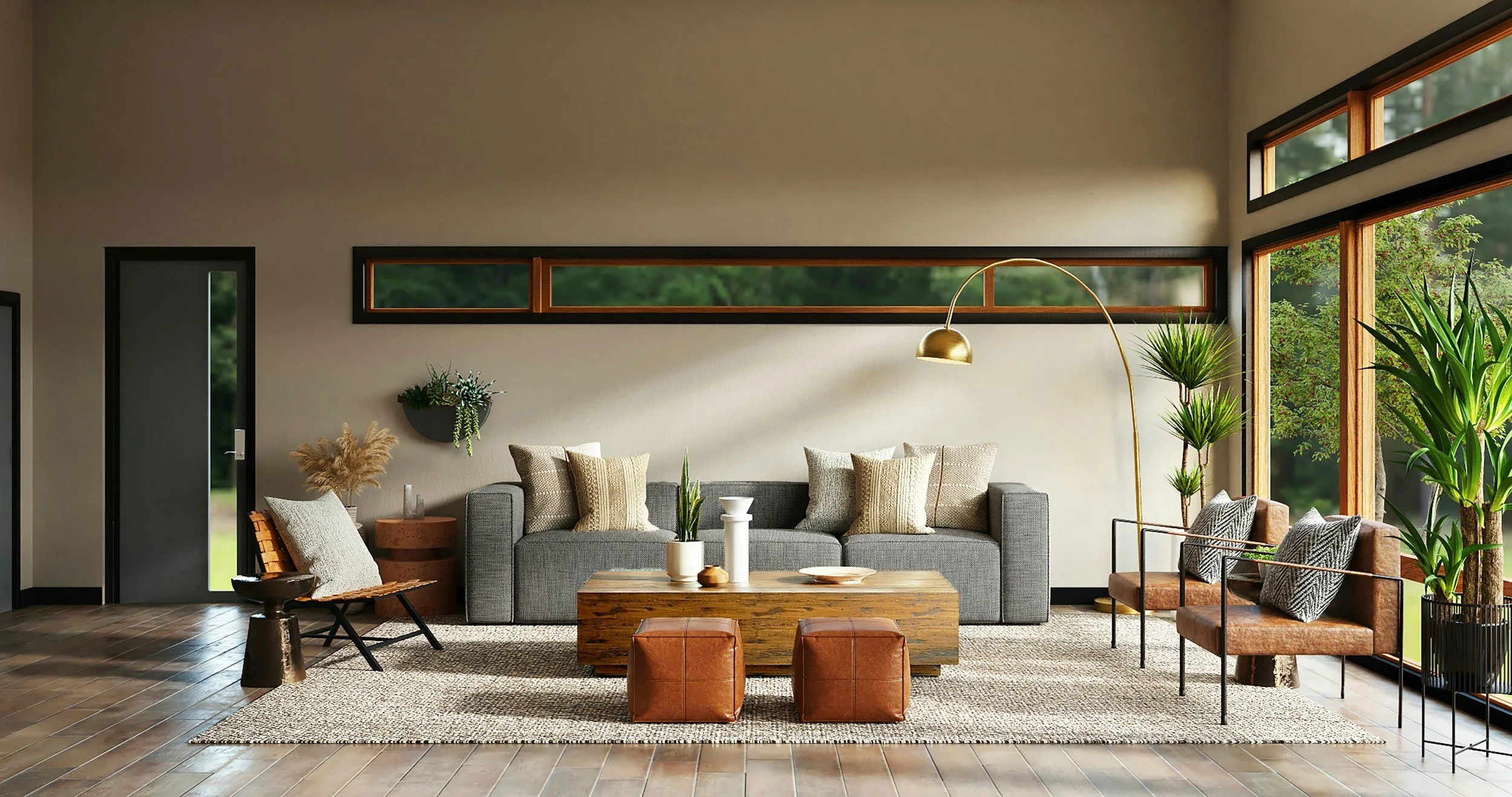
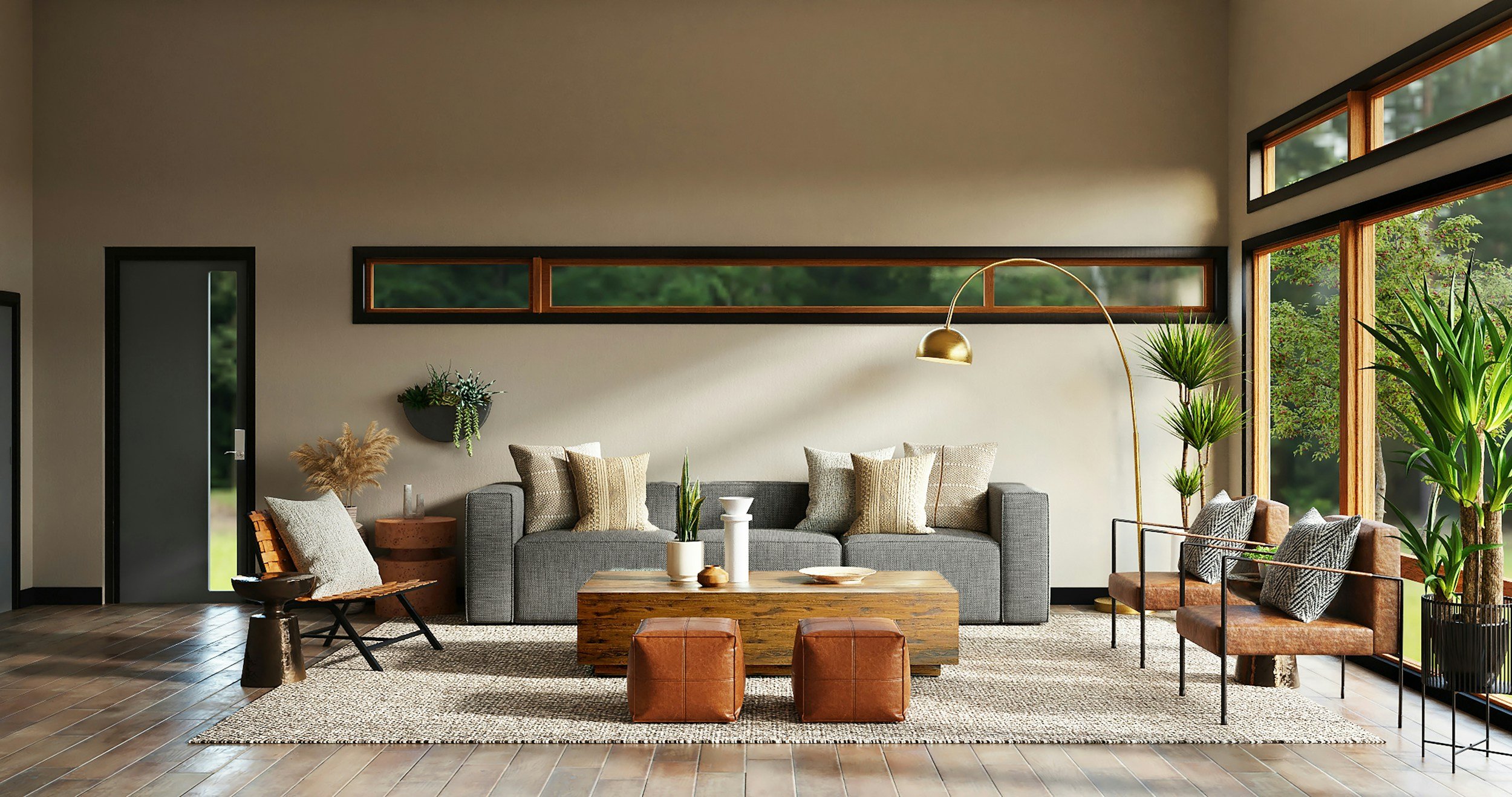
A warm, sun filled living room featuring a solid wood coffee table, textured luxury textiles on a low profile sofa, and natural light.
The Pillars of Materiality
Luxury begins with the raw elements. To achieve a sophisticated environment, one must prioritize materials that possess inherent weight and tactile richness. These are the elements that age into a patina rather than wearing out.
Architectural Woods: Walnut, white oak, and charred cedar.
The Stone Vocabulary: Veined marble, raw travertine, and honed quartz.
The Textile Edit: Heavyweight linens, architectural velvets, and hand loomed silks.
Foundational Rugs: Natural fibers like wool and jute that provide a sensory grounding to the room.
Acquiring these elements is only the first step; the longevity of your investment depends entirely on a dedicated Ritual of Care.
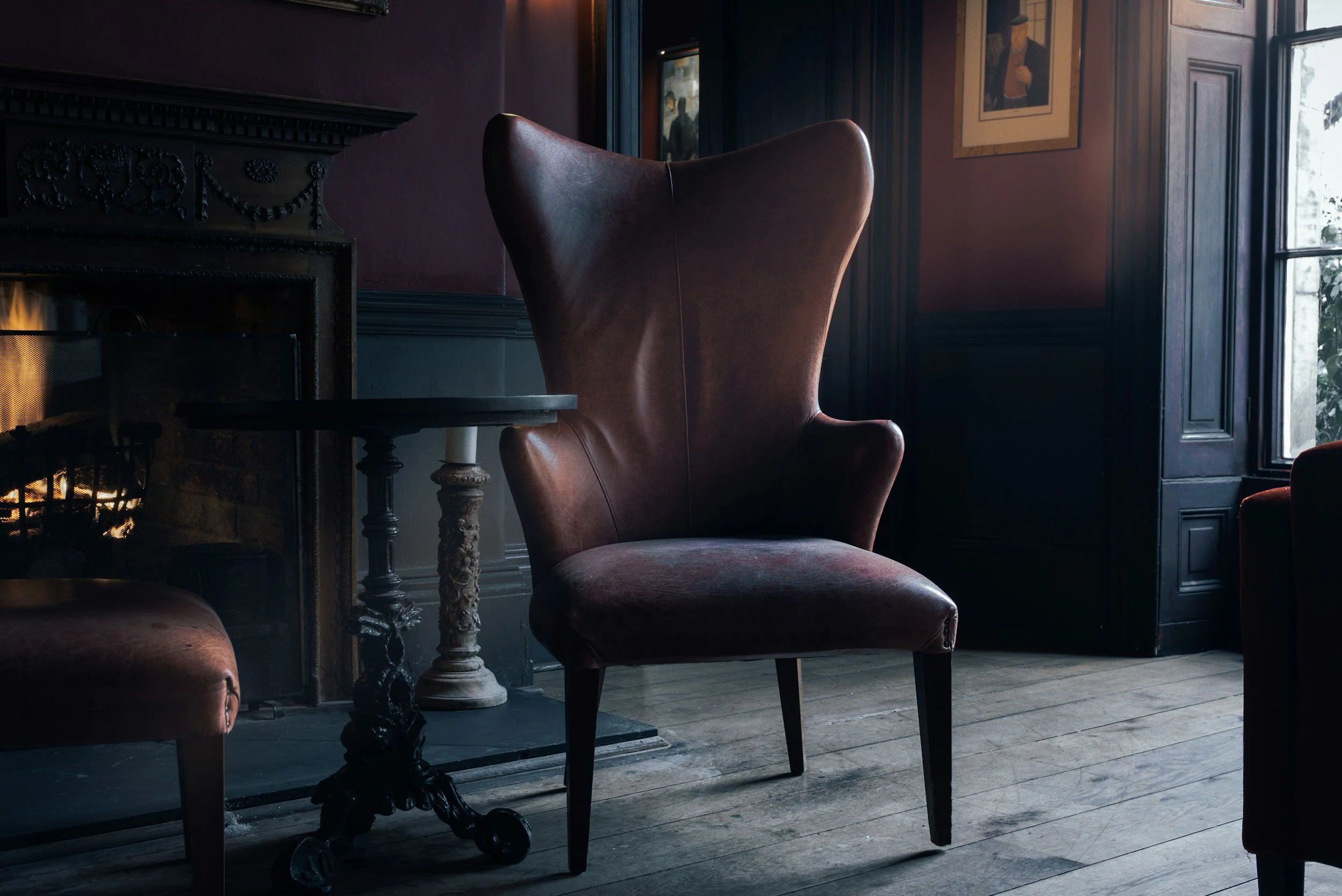
Sleek high back chair in premium top grain leather with a focus on organic texture and form.
Disciplined Craftsmanship
The hallmark of a high end interior is the invisible hand of the maker. Precision is the ultimate luxury. When a piece is crafted with mastery, the joinery is seamless, the stitching is intentional, and the finish is depth defying. It is the difference between a mass produced item and a piece of Functional Art.
The Aesthetic of Timelessness
A luxury home exists outside the cycle of "trends." It leans on enduring design movements, Modern Minimalism, Neo-Deco elegance, and Organic Modernism. These styles prioritize balance and architectural integrity over passing fads. The result is a home that feels as relevant today as it will in a decade.
Sensory Comfort
Luxury is a physical experience. A room must perform as well as it looks. True luxury means investing in ergonomic seating that supports the body, lighting that can be layered to shift the mood, and breathable, high thread count textiles that invite touch.
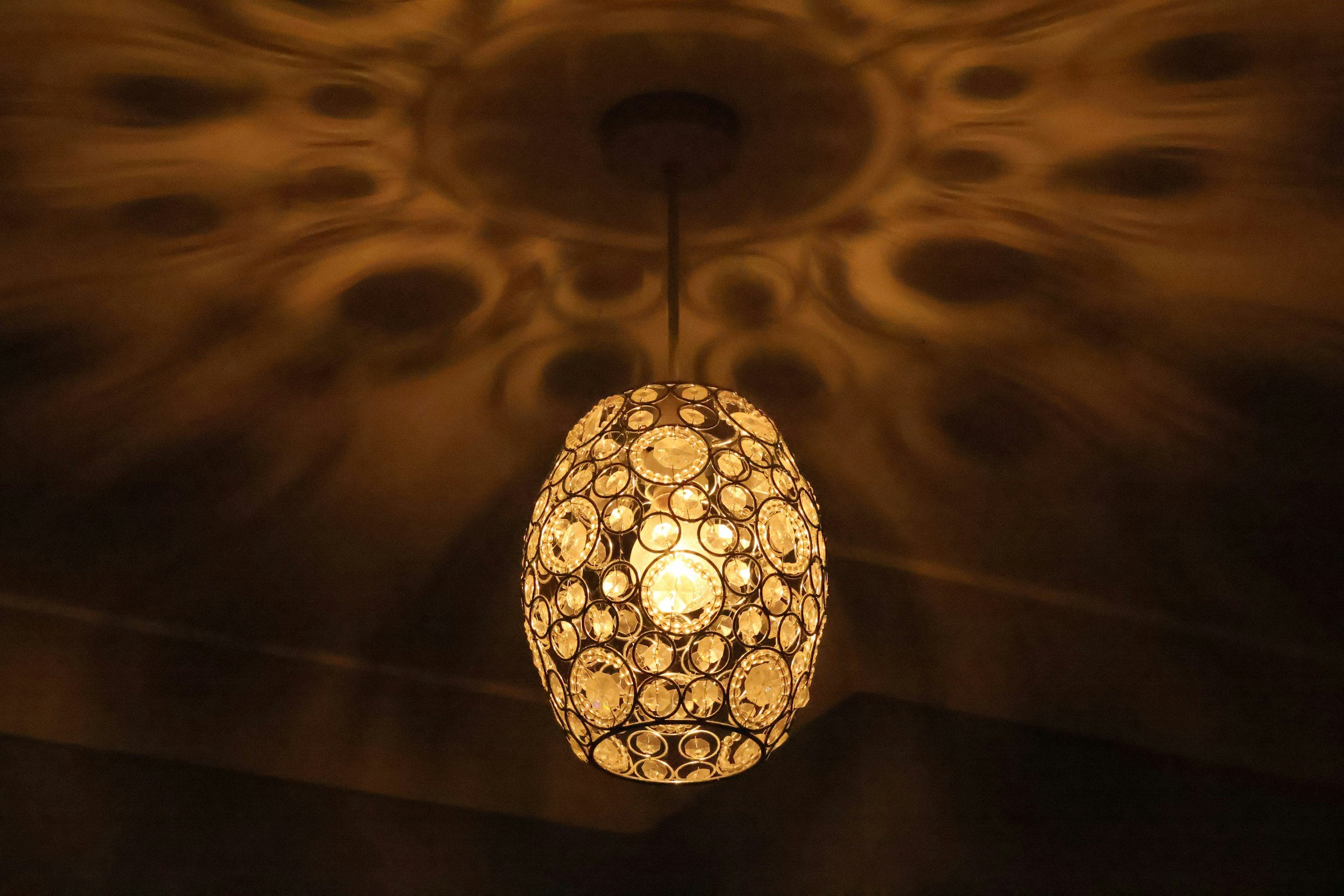
Single pendant light creating a warm, ambient glow and soft shadow play for a timeless atmosphere.
The Disciplined Palette
Color can instantly elevate a space. Luxury decor tends to use coordinated, harmonious palettes that avoid visual clutter.
Color should serve the architecture of the room, not compete with it. A luxury palette is cohesive and harmonious, utilizing warm neutrals, deep dramatic tones, and metallic accents to create a unified visual narrative.
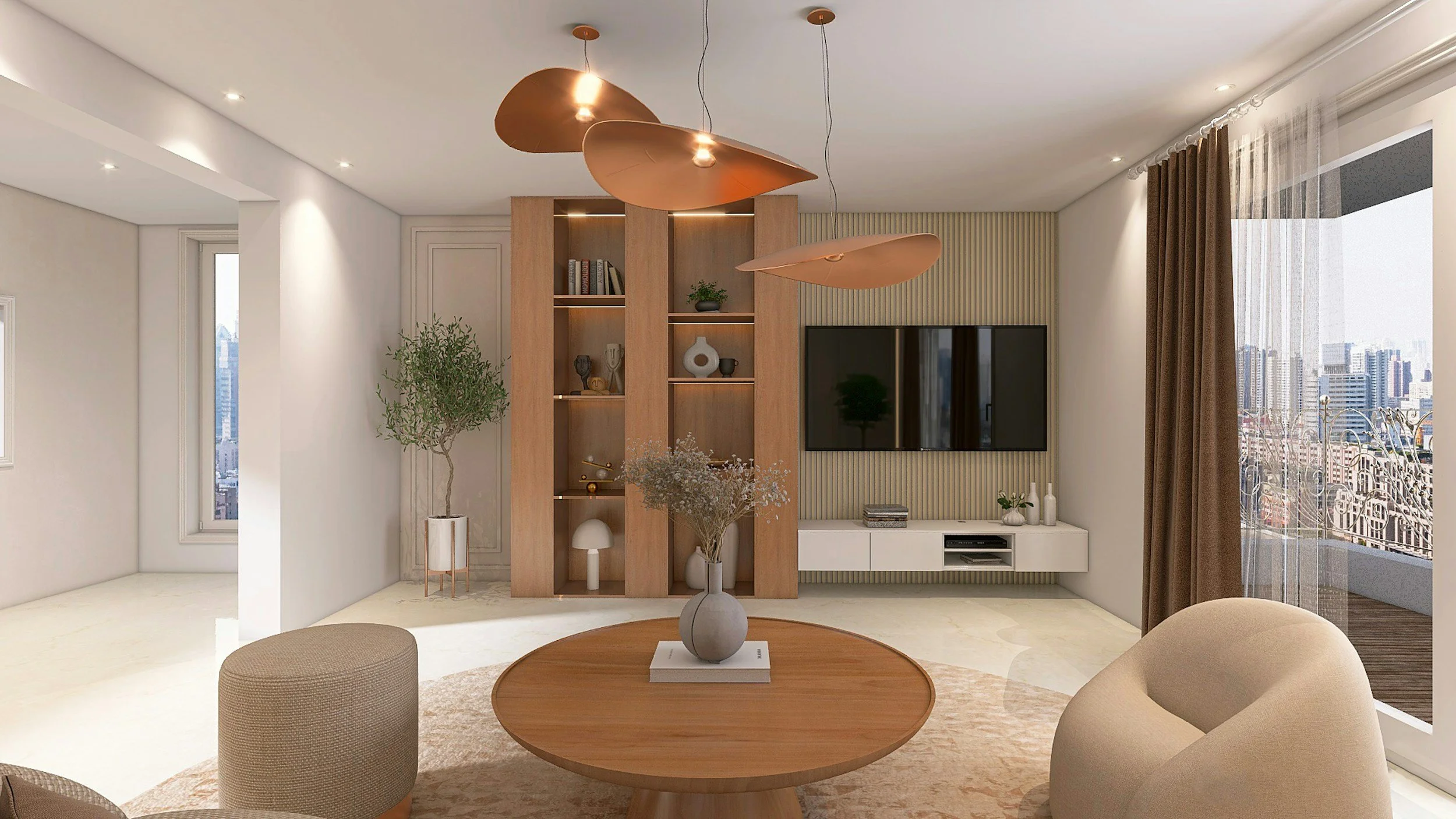
A disciplined neutral palette featuring a plush round rug and a statement ceiling light fixture.
The Power of the Statement Piece
Luxury is not about volume; it is about the Crescendo. A single, commanding object can define the entire volume of a room. Whether it is a sculptural chair, an oversized canvas, or a bespoke light fixture, these pieces act as the anchor for the home's narrative.
Note: Lighting is the most vital statement of all. Explore the transformative power of illumination in The Architecture of Light.
Curated Curation: The Human Element
The final layer of luxury is the personal history of the dweller. A high end home feels lived in and layered, achieved through a "Slow Curation", vintage finds with history, travel mementos with soul, and handmade objects that reflect a specific perspective.
Modern Technology Integrated Seamlessly
In a refined residence, technology is felt, not seen. It is the invisible orchestration of atmosphere, automated solar shading that responds to the sun's arc and lighting systems that transition with the circadian rhythm. True luxury tech is silent, seamless, and entirely subservient to the design.
The Architecture of Absence
The Architecture of Absence: Luxury is defined as much by what is missing as by what is present. By prioritizing Visual Silence, you allow the architecture to breathe. This requires a disciplined edit: choosing a singular, high integrity piece over a collection of lesser objects. A residence that radiates Calm Authority is never overcrowded; it is curated.
The Final Word
The Madison Prime Home philosophy is simple: Fewer, but better. By focusing on primary materials, architectural balance, and a disciplined edit, your environment naturally ascends. Luxury is not an addition; it is the subtraction of the unnecessary.