
The Curated Interior
There is a quiet difference between a home that is full and a home that is considered. Explore the discipline of curation, from visual language to the power of the edit.
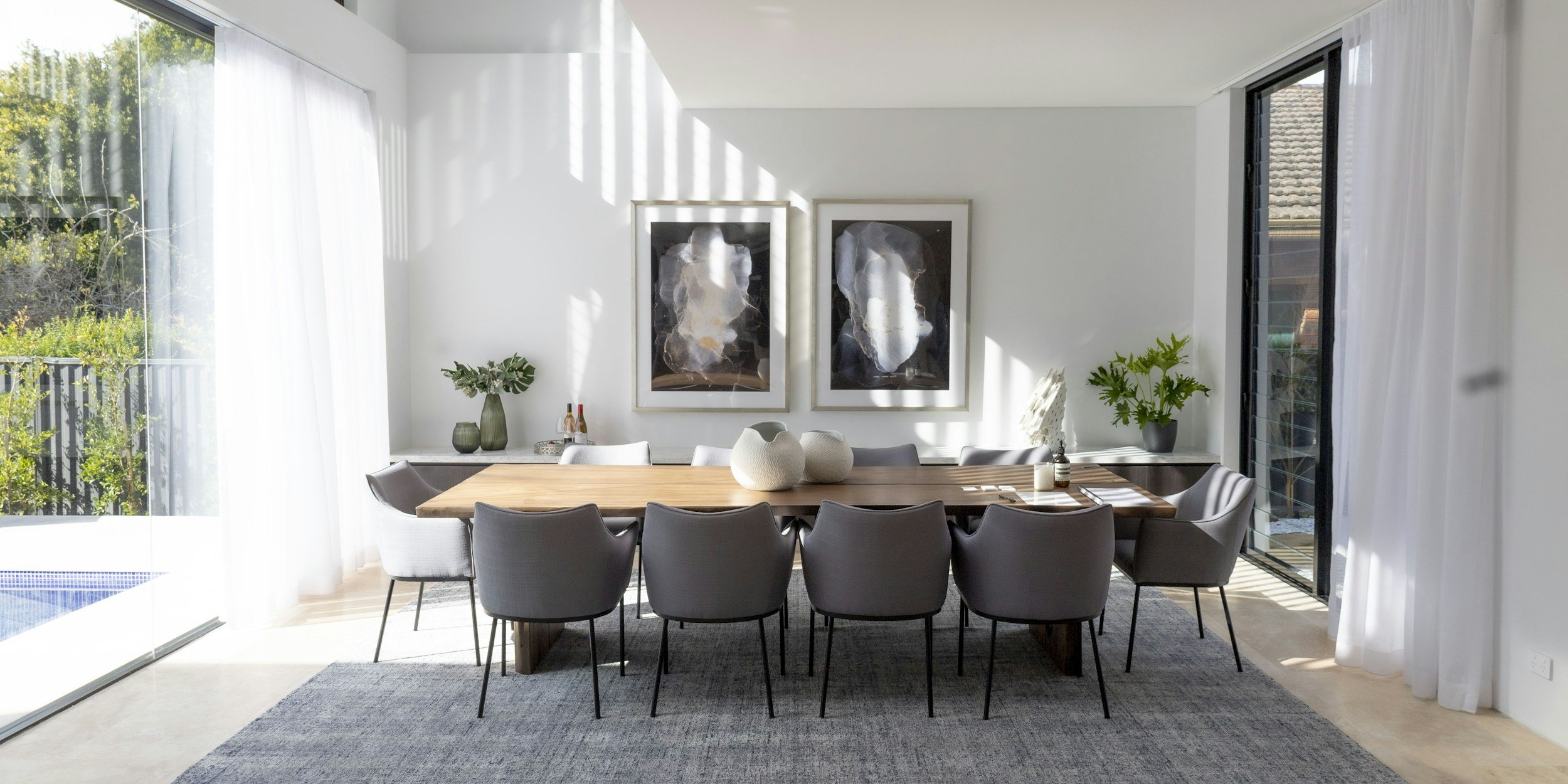
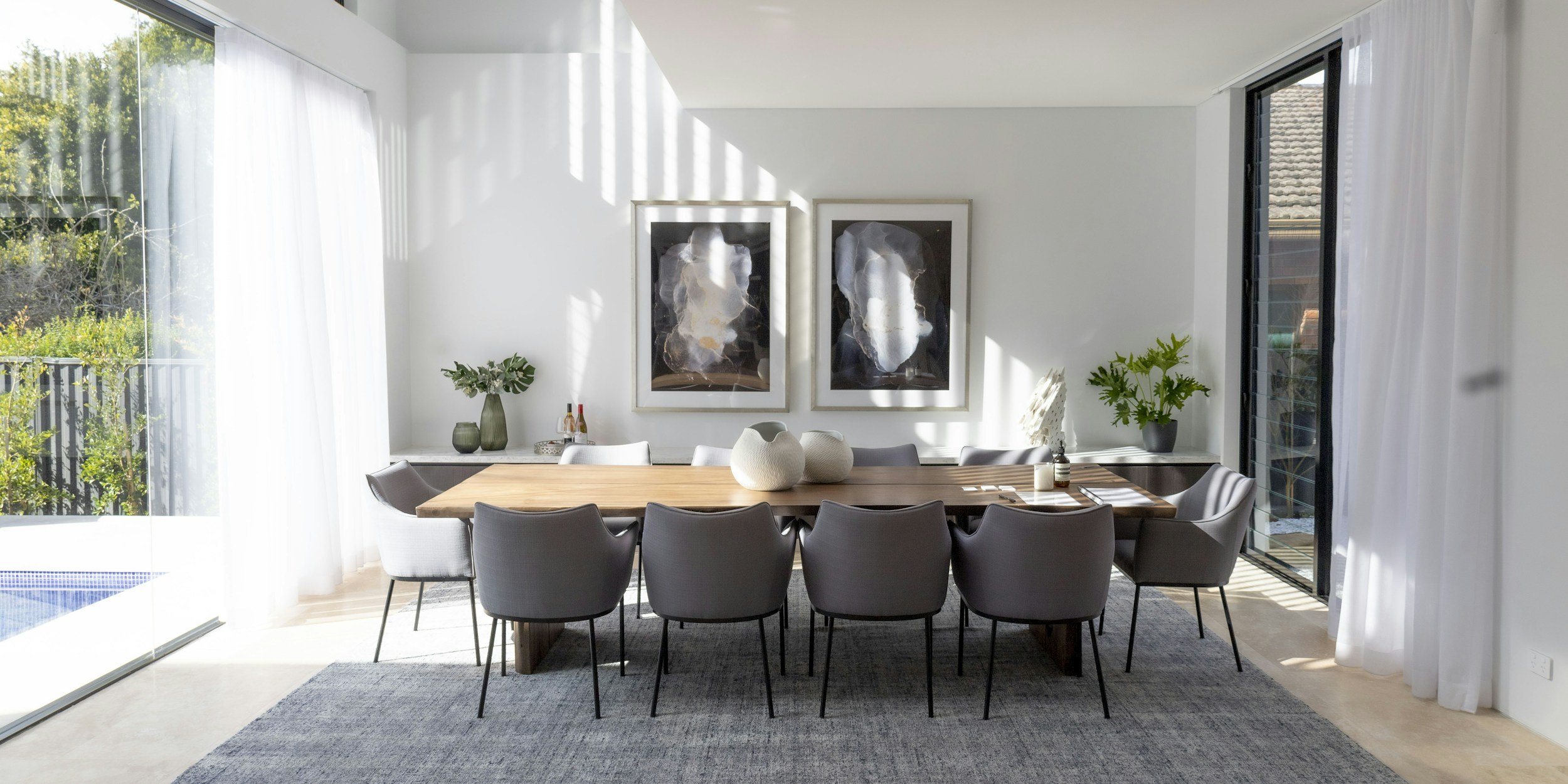
Wide shot of a completely curated room featuring a long dining table under natural sunlight, wall art, and carefully chosen interior accents.
There is a distinct, quiet difference between a home that is filled with objects and a home that is truly refined. One is busy; the other is considered. A curated interior does not rely on trends or matching sets. Instead, it reflects a sense of permanence, the understanding that every piece belongs not because it was purchased in a suite, but because it was chosen with a singular, rigorous purpose.
The Distinction: Curation vs. Collection
A collected home is built through accumulation. Items are added because they are appealing or popular in the moment. Over time, these objects compete for attention, creating visual noise.
By contrast, a curated home is shaped by restraint. It is guided by a specific point of view. Pieces are selected for how they relate to the architecture of the room and the existing materials within it. Curation is a disciplined reduction, ensuring that the Layered Textures, Strategies for Depth and Contrast found in each room work to support the architecture rather than competing with it for visual dominance.
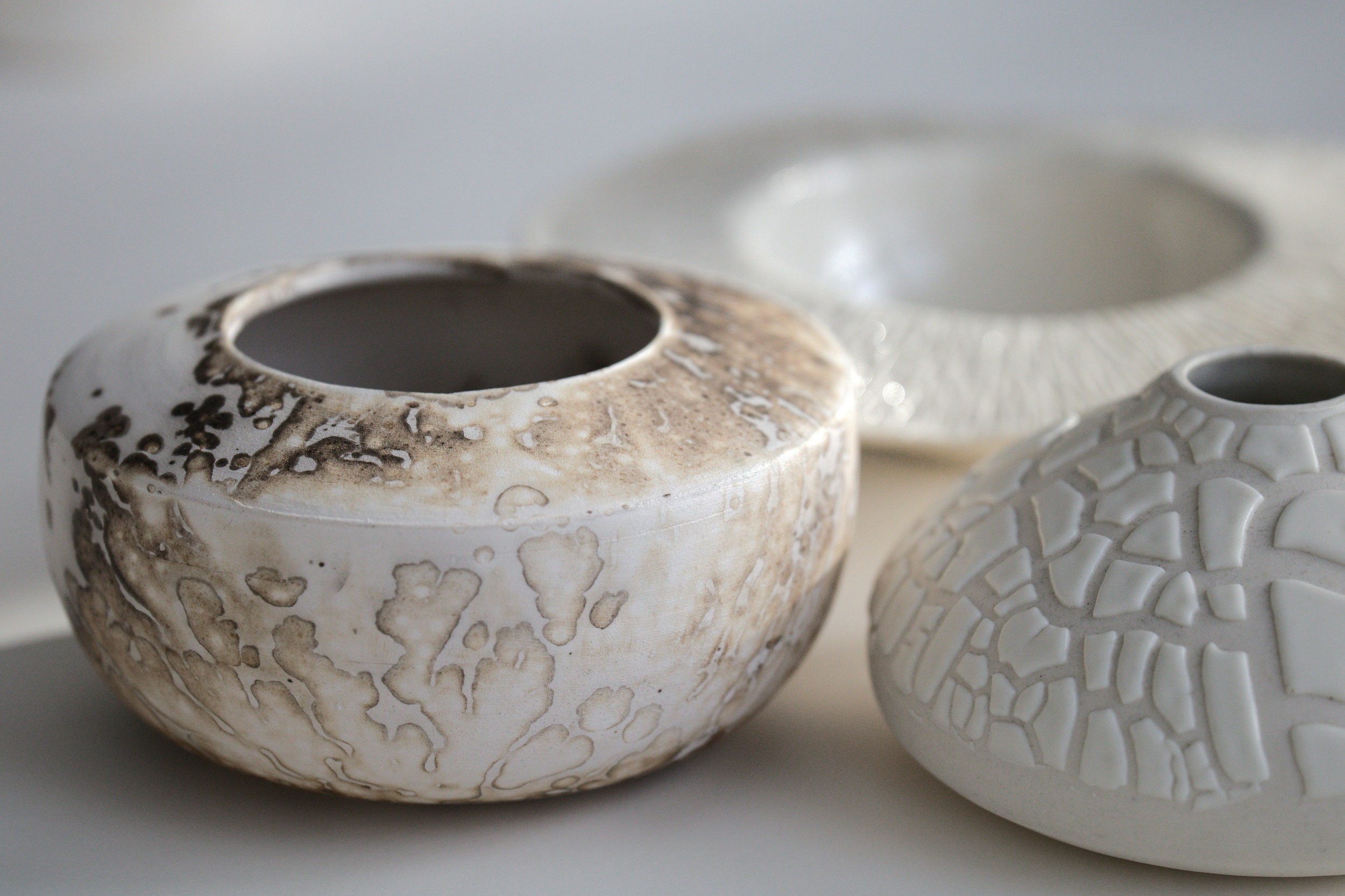
Close up of ceramic stone vessels with a heavy textured finish and architectural form.
Establishing a Visual Language
Every refined home possesses an unspoken visual language, a consistent palette, a preference for specific materiality, or a repeated sense of proportion. When this language is clear, the decision making process shifts. One no longer asks if an item is "beautiful," but whether it serves the narrative the home is telling. This throughline relies on a commitment to What Defines Luxury Home Decor? The Essential Manifesto, where the natural weight of a single walnut slab or the cool touch of a stone surface carries more authority than a room full of seasonal trends. This consistency creates a sense of calm and throughline that survives even as styles evolve.
The Discipline of the Edit
One of the most overlooked principles of luxury is the edit. Space itself is a design element. Editing allows foundational pieces to breathe and creates necessary pauses for the eye. It transforms furniture and art into focal points rather than background noise. Before introducing a new element, the curated approach dictates asking what it replaces, rather than simply where it fits.
Presence Over Volume
We favor fewer items with a stronger presence. A single sculptural lamp or a well placed, weighted chair provides more architectural confidence than a multitude of smaller accents. Luxury, in this sense, is born from selection rather than abundance.
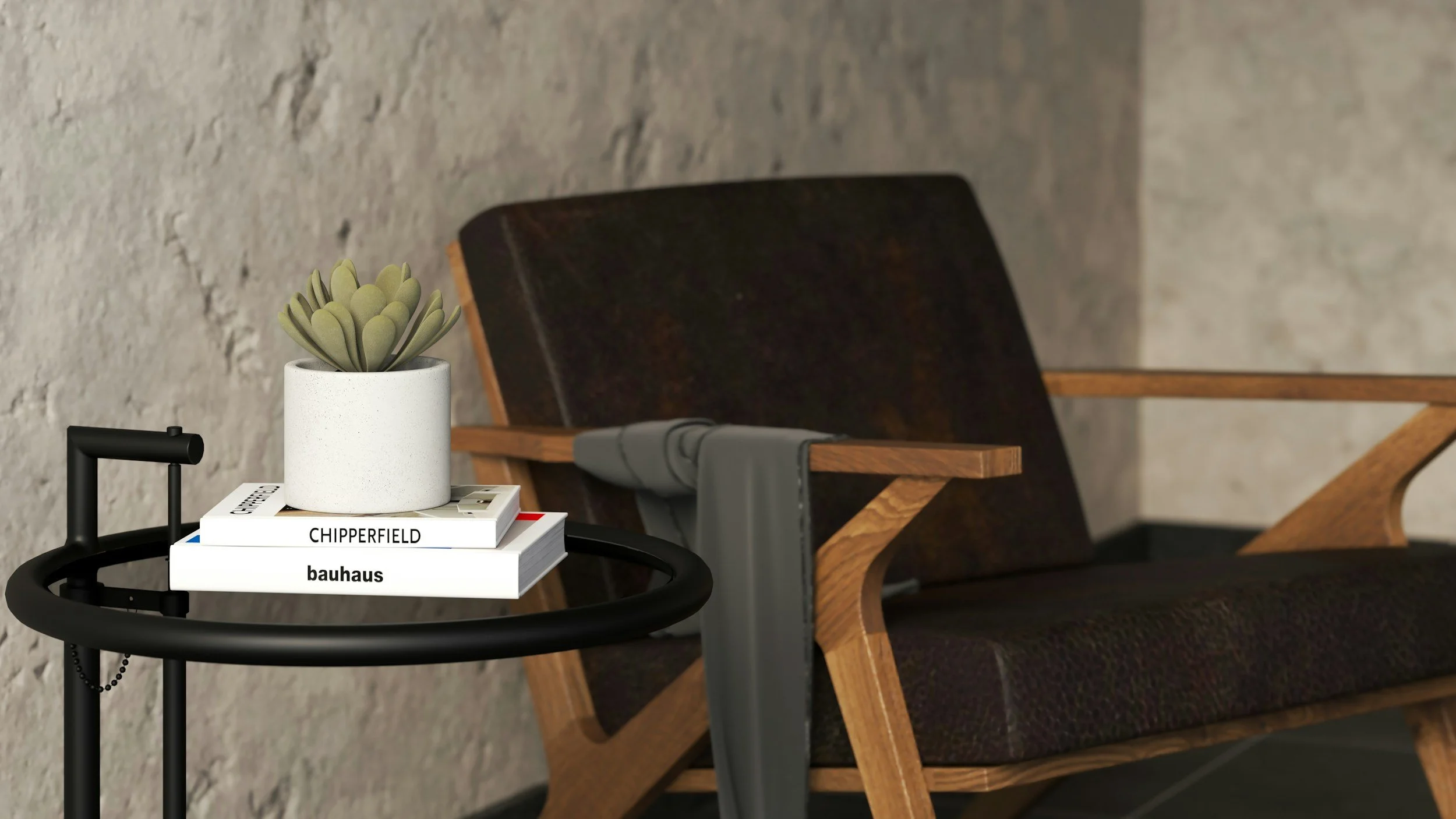
Modern wood and leather chair in a stone walled reading corner, featuring a draped throw blanket and a side table with books.
The Utility of Placement
Curation is not purely aesthetic; it is functional. A refined space feels natural because objects are placed according to the rituals of the inhabitant. This alignment of beauty and function is most evident when The Architecture of Light is integrated into the design, placing illumination exactly where it is needed, discreet, intentional, and refined. Lighting appears where tasks occur; side tables are positioned where hands naturally reach. This alignment between beauty and utility allows a home to feel elevated without feeling precious.
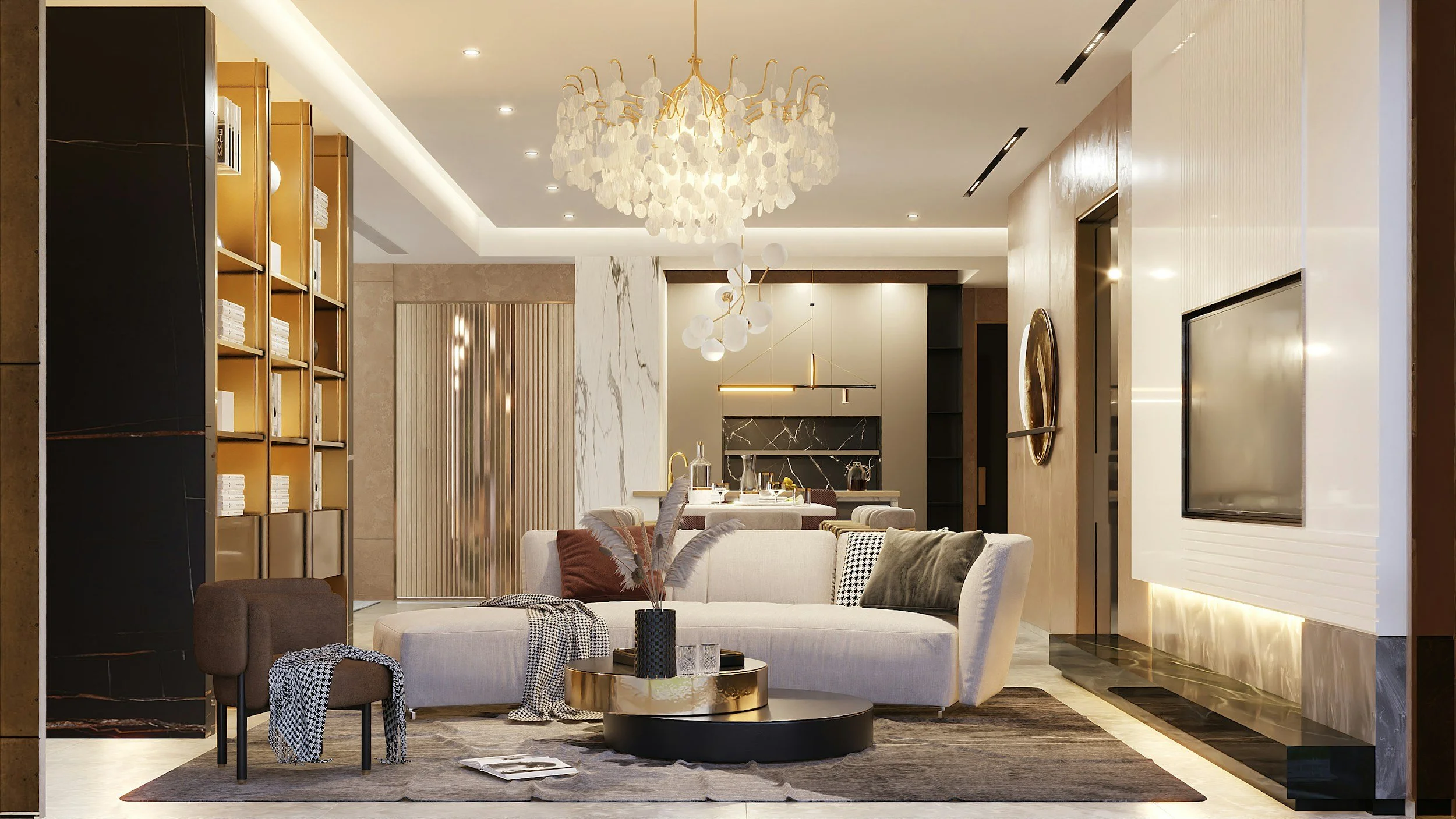
A modern, expertly curated great room that is stylish yet functional and lived in.
Conclusion
A curated home is not a static achievement, but an evolution. It is built slowly, with intention, allowing the space to feel layered and enduring. This quiet sense of alignment is, in itself, the most lasting form of luxury.