The PVD Finish That Never Changes
Physical Vapor Deposition is a real industrial coating process, developed for aerospace parts and surgical instruments long before any faucet manufacturer touched it, and it's now the standard finish behind some of the most expensive hardware in the world.
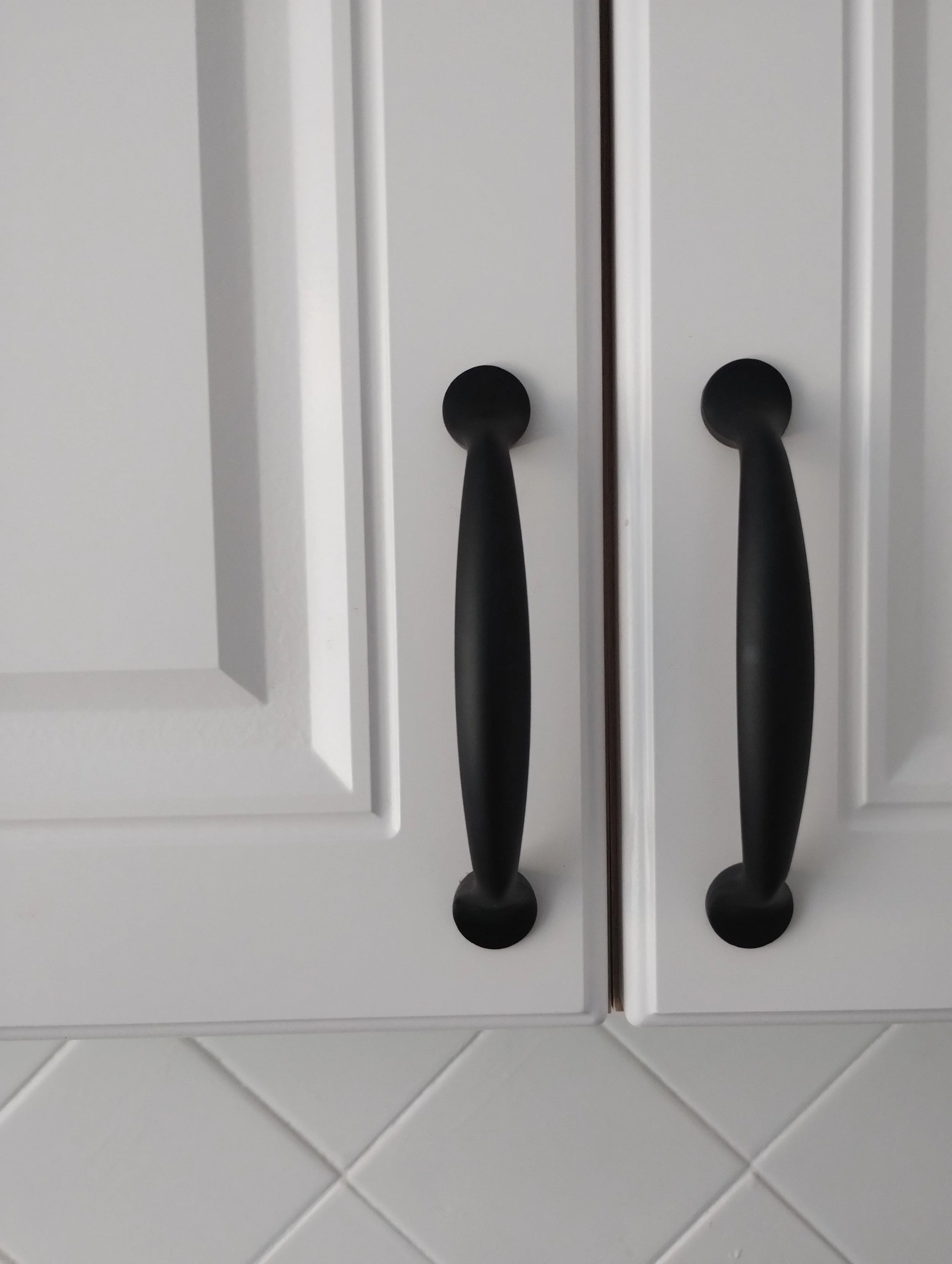
Hardware finished in PVD.
Aerospace and Surgery Got There First
I hadn't expected that, the same coating trusted on a surgical instrument is the one now sitting on a kitchen faucet. PVD's real client list still includes manufacturers of surgical instruments and aerospace components, industries where a coating failure has consequences a scratched faucet never will. Luxury hardware adopted the technology because durability that serious matters just as much on a countertop as it does on an operating table.
What Actually Happens Inside the Chamber
The process starts with a base that's already clean and polished, usually brass or stainless steel. That piece goes into a sealed vacuum chamber alongside a source metal, often titanium or zirconium, which gets vaporized and ionized until it becomes a stream of charged particles. Those particles cross the chamber and bond to the surface of the hardware, not sitting on top of it the way paint or electroplating would, but fusing to it at close to a molecular level. The coating that results is extremely thin, and testing has shown it can run many times harder than hardened steel.
Where the World's PVD Hardware Actually Comes From
Most of it starts in one part of northern Italy. I didn't know this until I looked, San Maurizio d'Opaglio and the surrounding Brescia region have manufactured faucets for generations, and PVD is now that industry's default finish rather than a premium upgrade. Workshops that once finished hardware with plating tanks run dedicated PVD lines instead, because the coating survives years of hard water and daily hands in a way a plated finish never fully could.
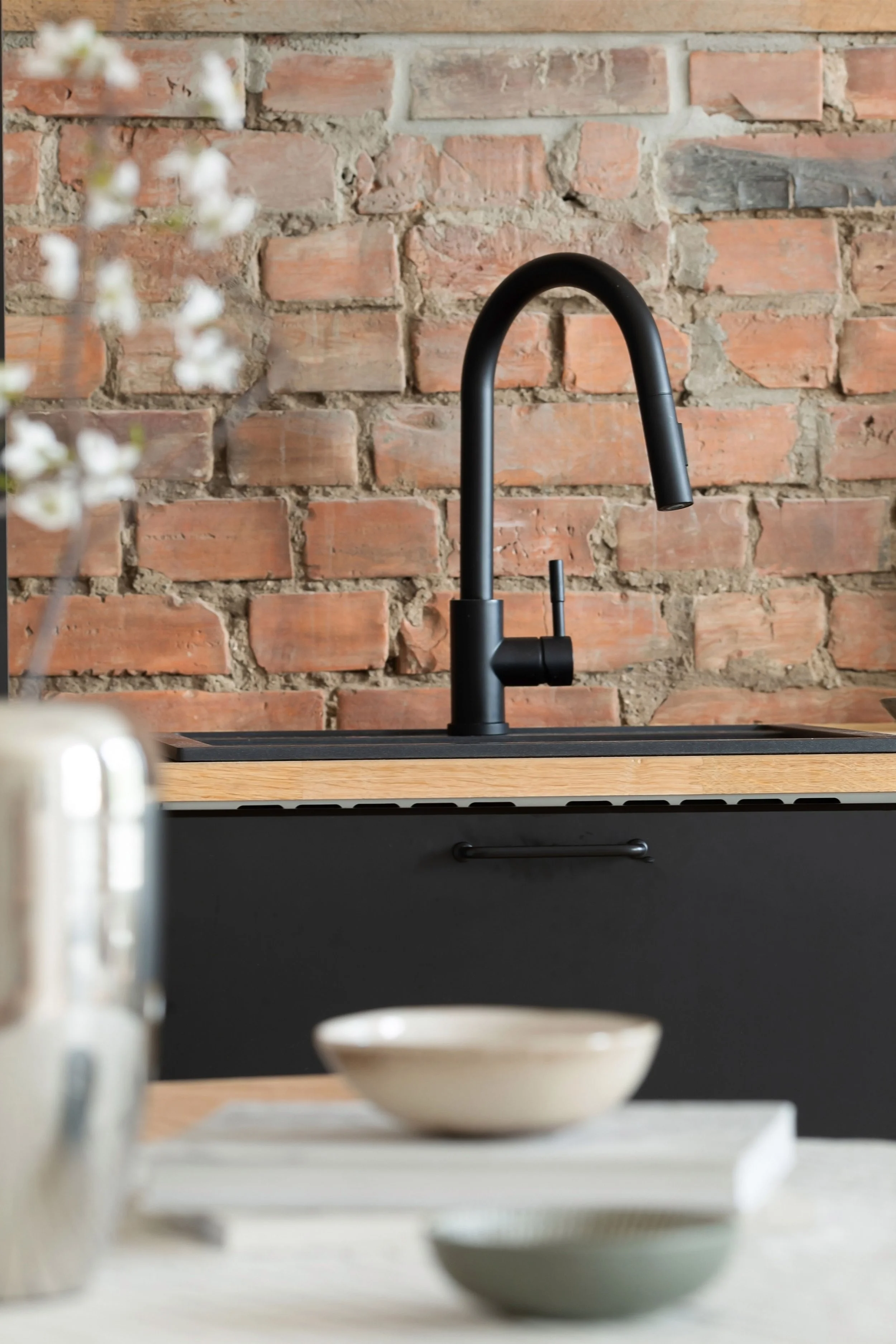
Modern faucet with a matte black PVD finish.
Colors No Alloy Actually Makes on Its Own
A living bronze finish only ever turns the colors bronze actually turns. PVD isn't limited that way. The same vacuum chamber that produces a gunmetal finish can just as easily produce a rose gold, a color that has nothing to do with what metal sits underneath the coating. That's the real trade off. A living finish tells you something true about the metal itself. A PVD finish tells you something true about a process, and the metal underneath could be almost anything.
Decide Which Kind of Metal You Want
Metal in this pillar changes in three real ways, not one look pretending to be a philosophy. It converts, the way blackened iron does inside a chemical bath. It lives, the way bronze and brass age depending on whose hands touch them every day. A PVD finish belongs to neither category. It's built specifically not to change at all, no chemistry required, no time needed. Knowing which of the three you're actually specifying matters more than knowing what color it comes in.