Glass & Ceramics
Hand blown glass and thrown ceramic work carry the mark of the person who made them, on purpose. I go looking for the makers doing this the hard way, Murano, Tonalá, wherever the work is real, and tell you why it matters.
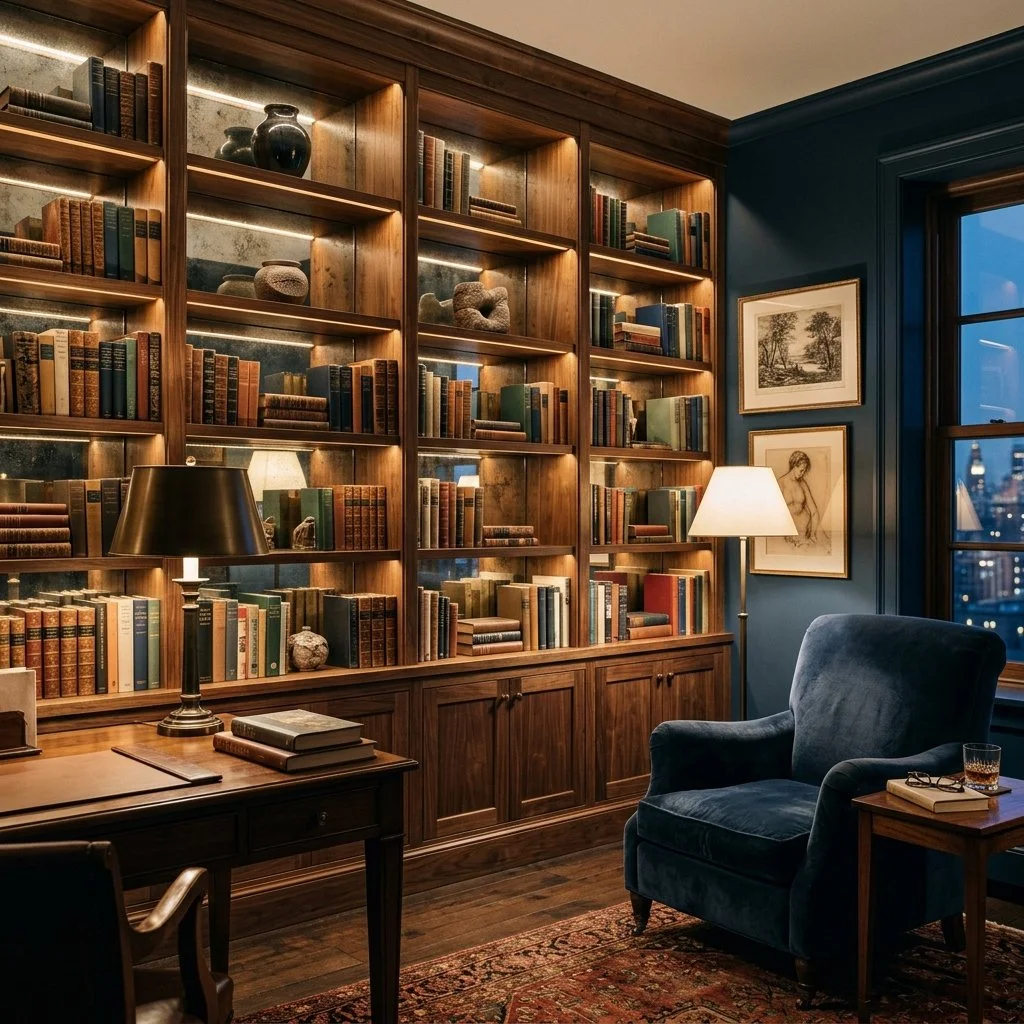
An antique mirror wall is new glass aged to read as old plate, either as a full sheet before cutting or panel by panel after. How the two look once the panels meet, and what to ask before you specify.
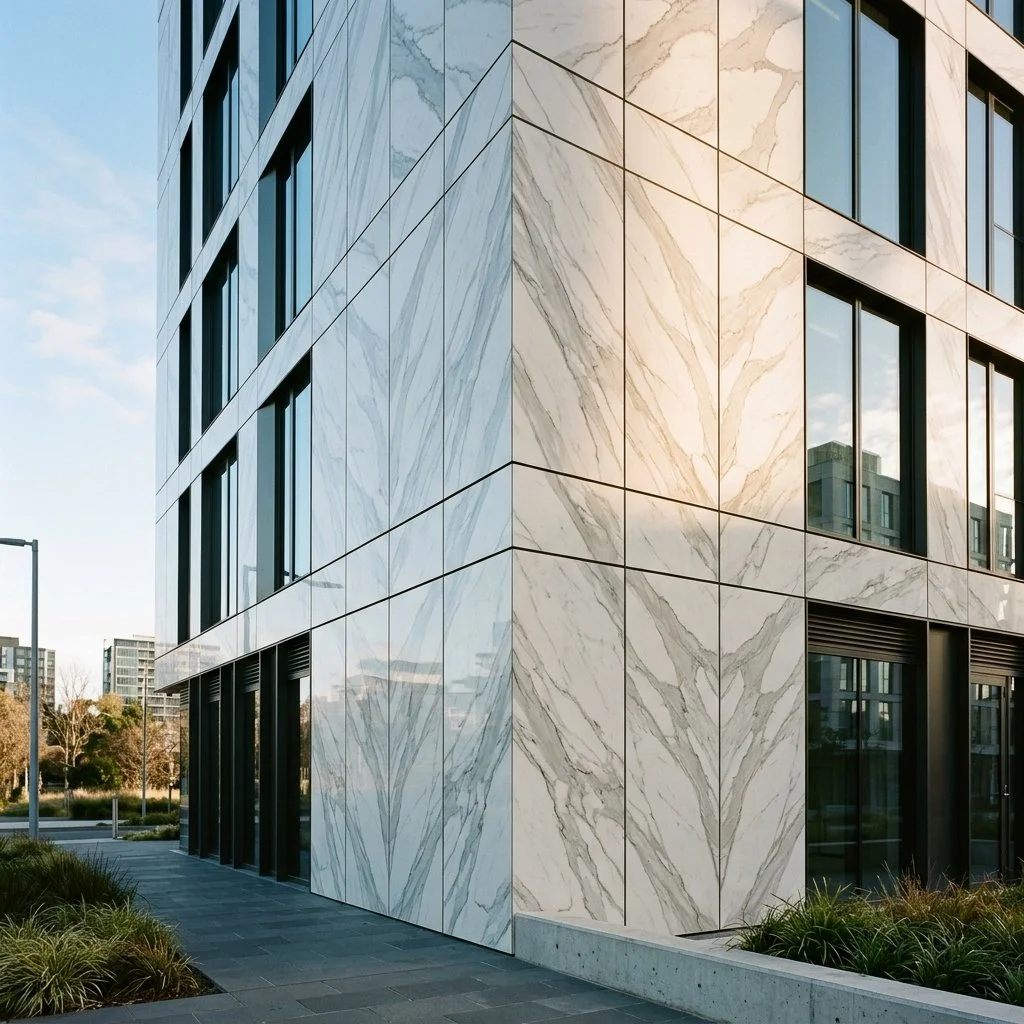
Porcelain slab is fired clay printed to look like marble, not marble itself, which is the whole reason it exists. What that manufacturing process actually means for sizing standards, installation, and how to order one without a shade mismatch.
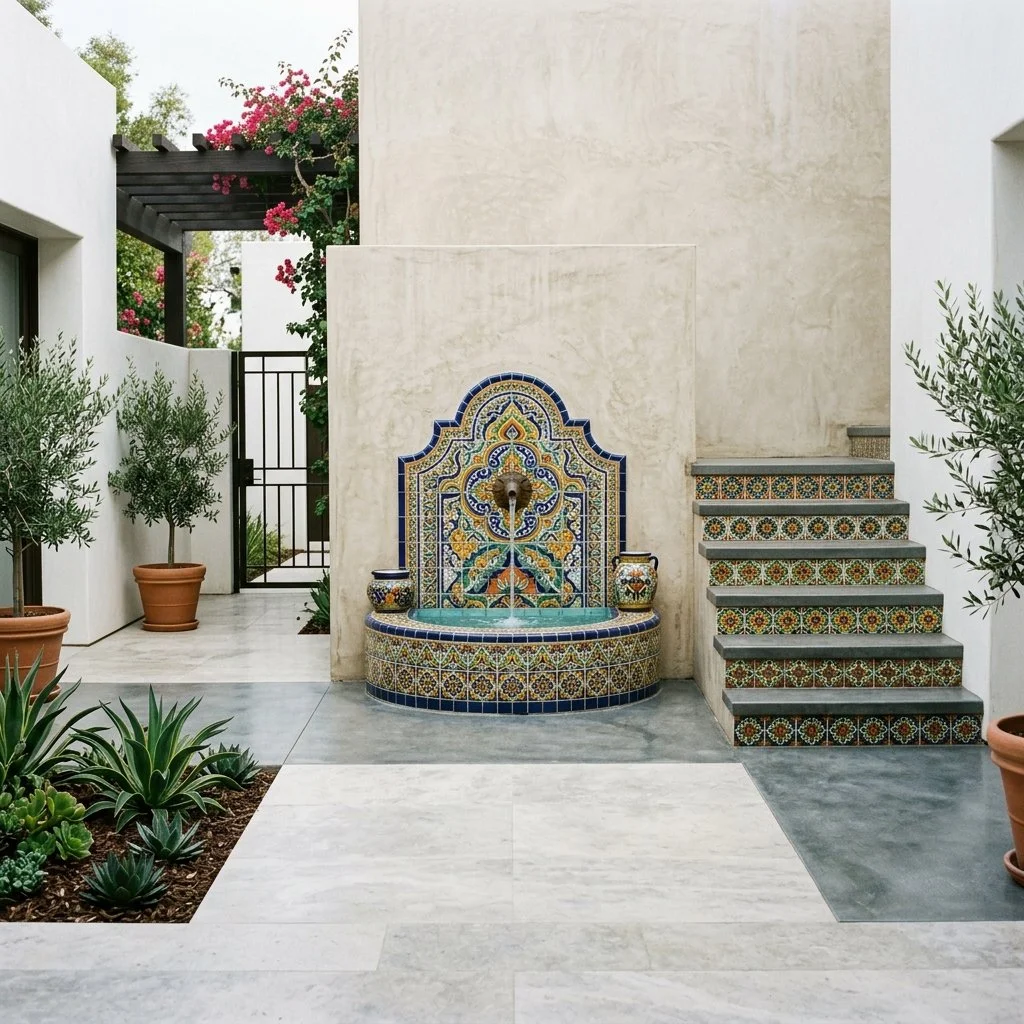
Talavera looks like a color palette. Legally, it's a designation, tied to specific towns, six colors, and a hologram most imitations don't have.
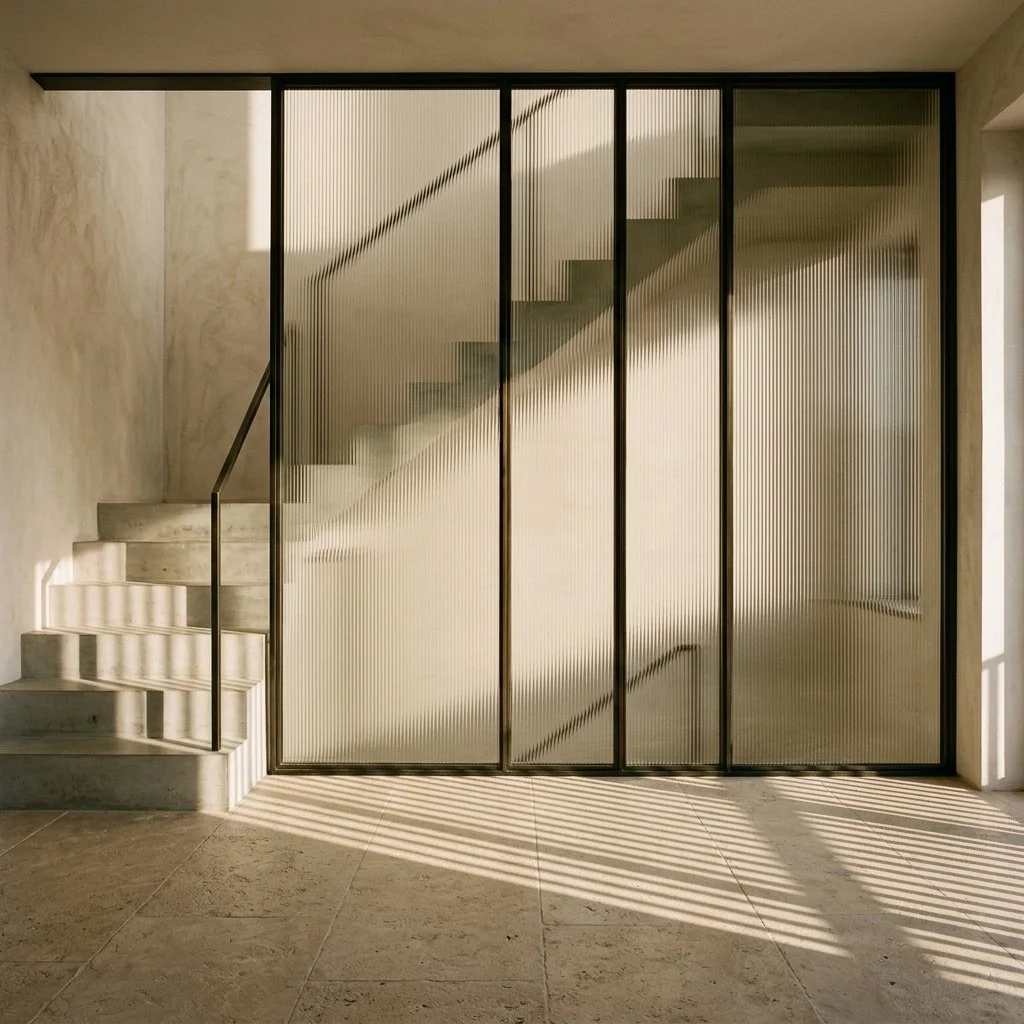
Reeded glass has raised ridges and fluted glass has grooves, but most suppliers sell both under one name. How to tell them apart, and what to put on the spec sheet instead.
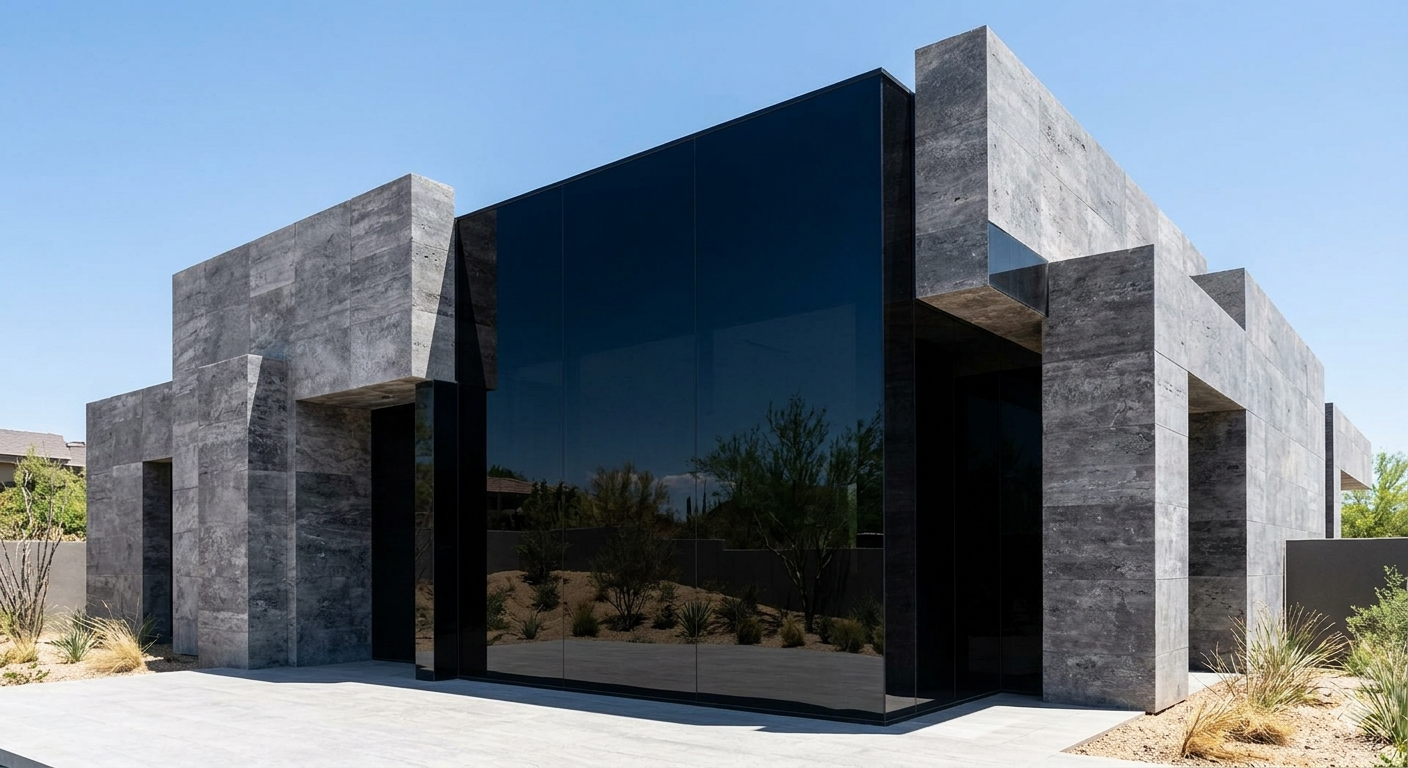
Clear glass lets through about 90 percent of visible light, and a dark neutral coating can drop that below 10. How architectural glass controls fading and glare, and the real difficulty of matching spandrel panels to the glass beside them.