Wood & Joinery
I look for furniture and casework built the way it used to be, a joint cut by hand instead of glued and clamped, a grain matched on purpose instead of by accident. This is where I follow that work: who's making it, what wood they're using, and why it'll outlast the trend it was built during.
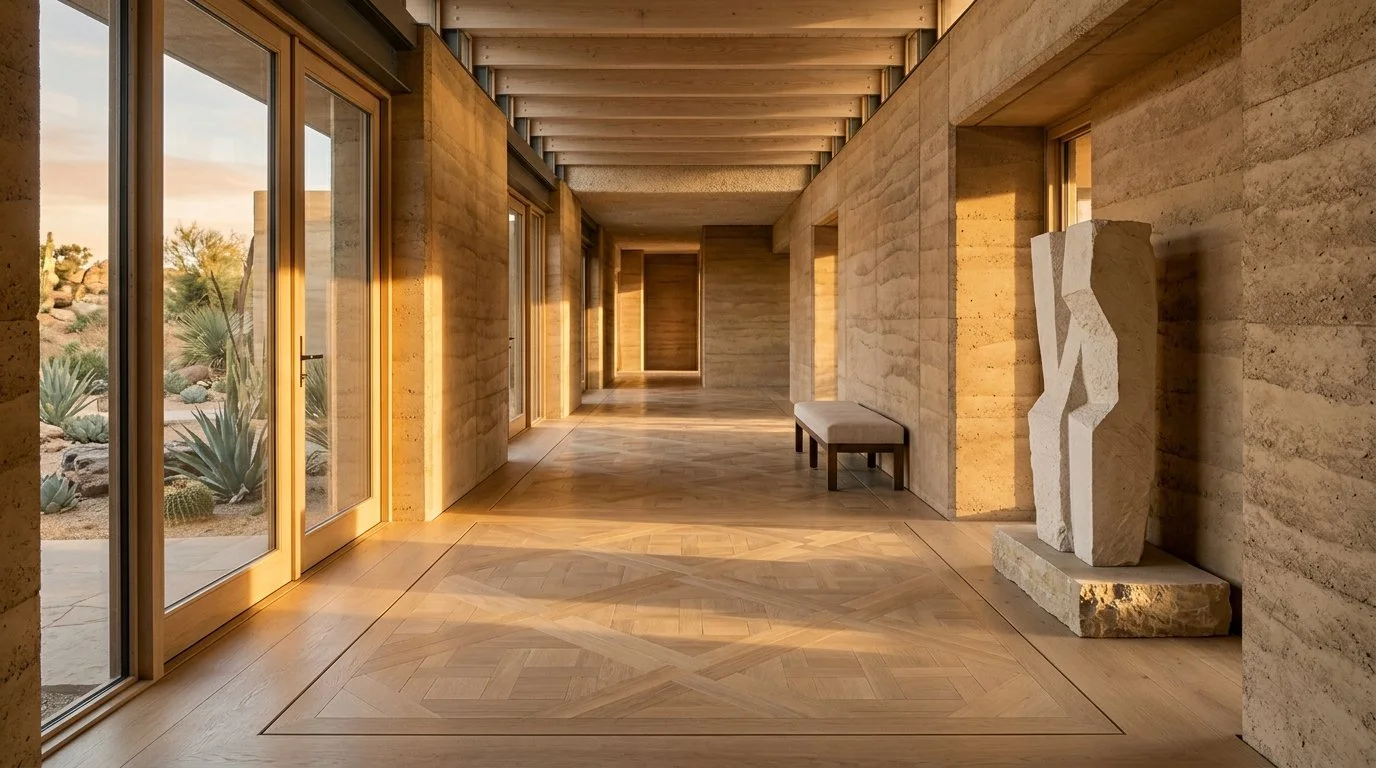
Versailles parquet began as oak panels held together by their own joints, and today the name covers engineered boards, reclaimed oak, stone and vinyl. What each one is built from, and what belongs on the spec.
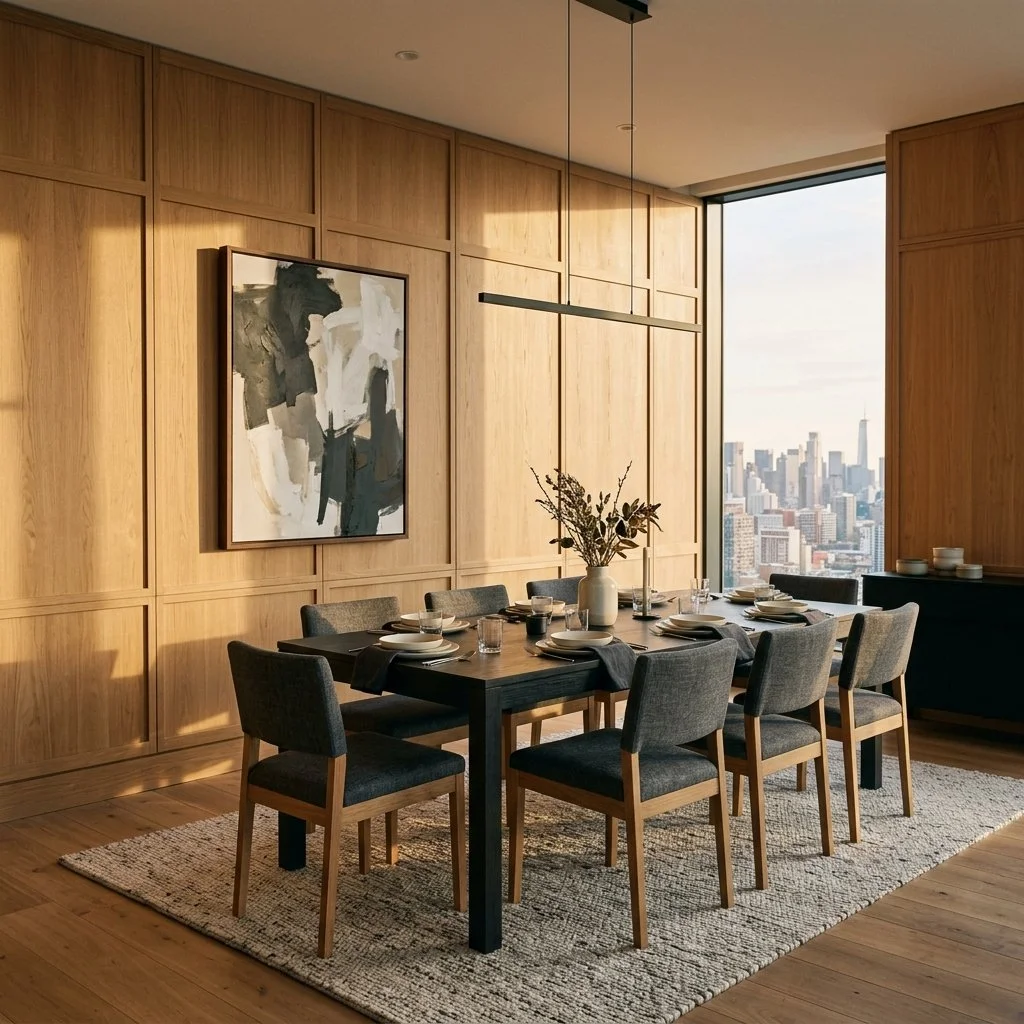
Most boiserie sold today is molding over drywall. What real frame and panel construction looks like, and what to ask a woodworker or an antique dealer before the paneling is specified.
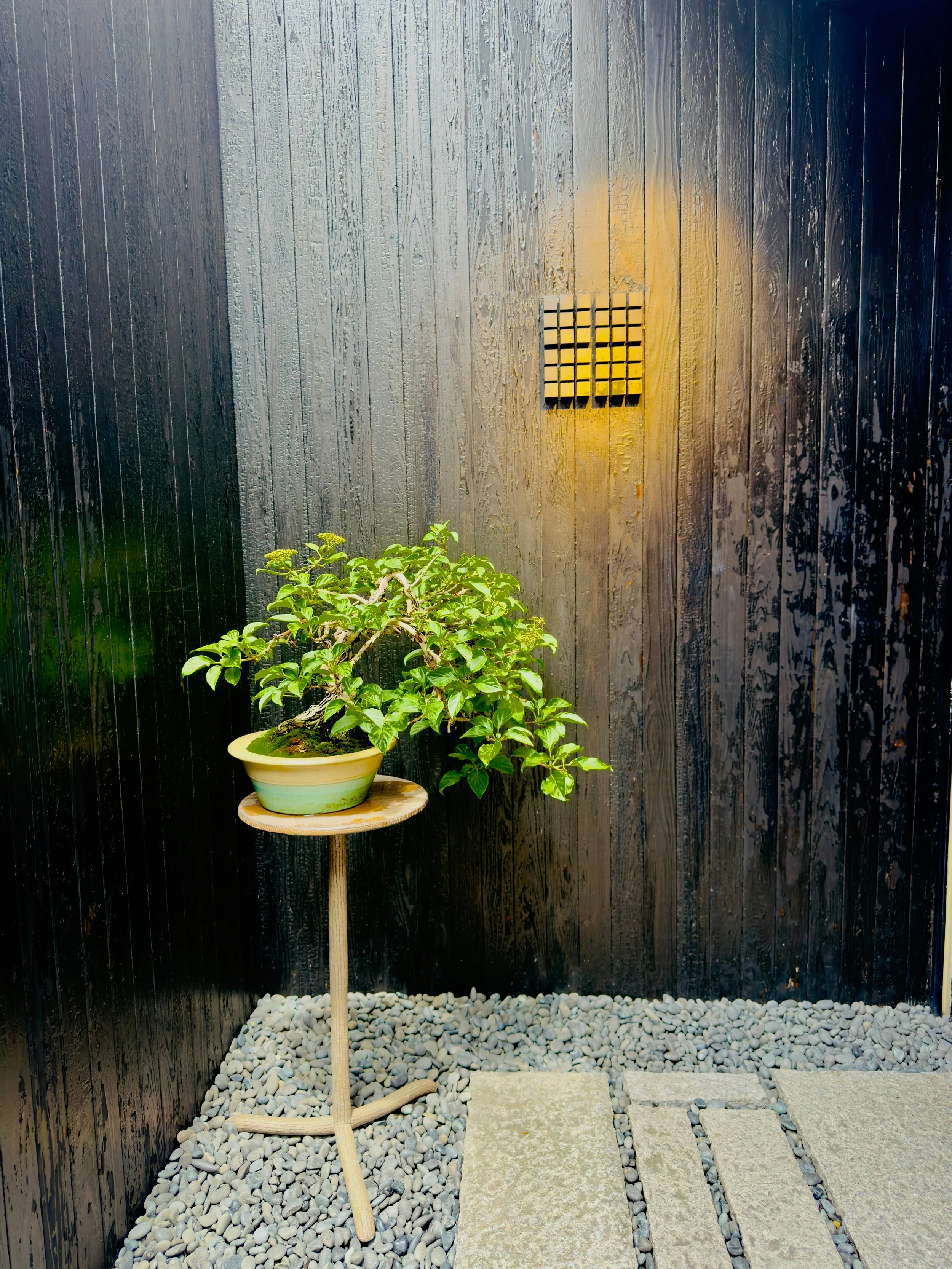
Yakisugi is Japanese cedar charred on purpose, and a lot of what’s sold as shou sugi ban is a different board. How to specify the species and the finish, and which fire report to ask for.
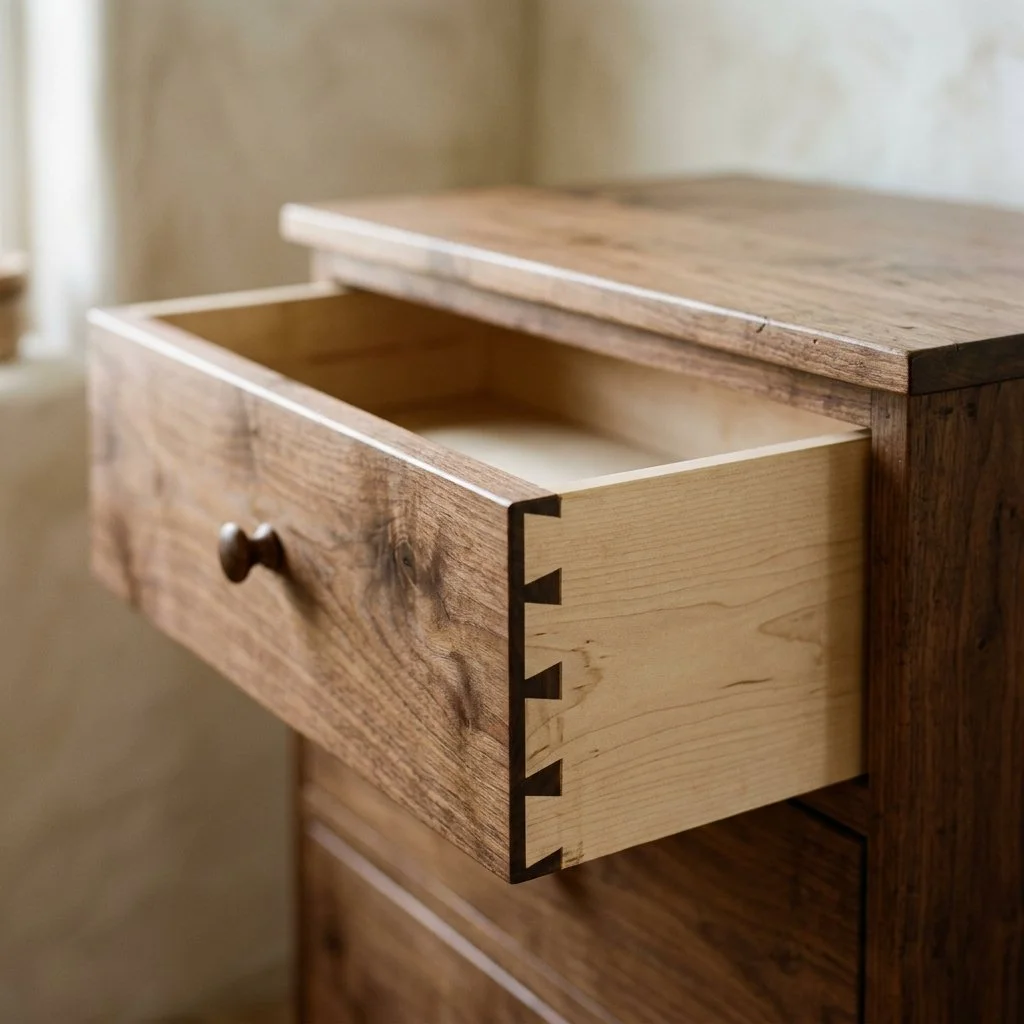
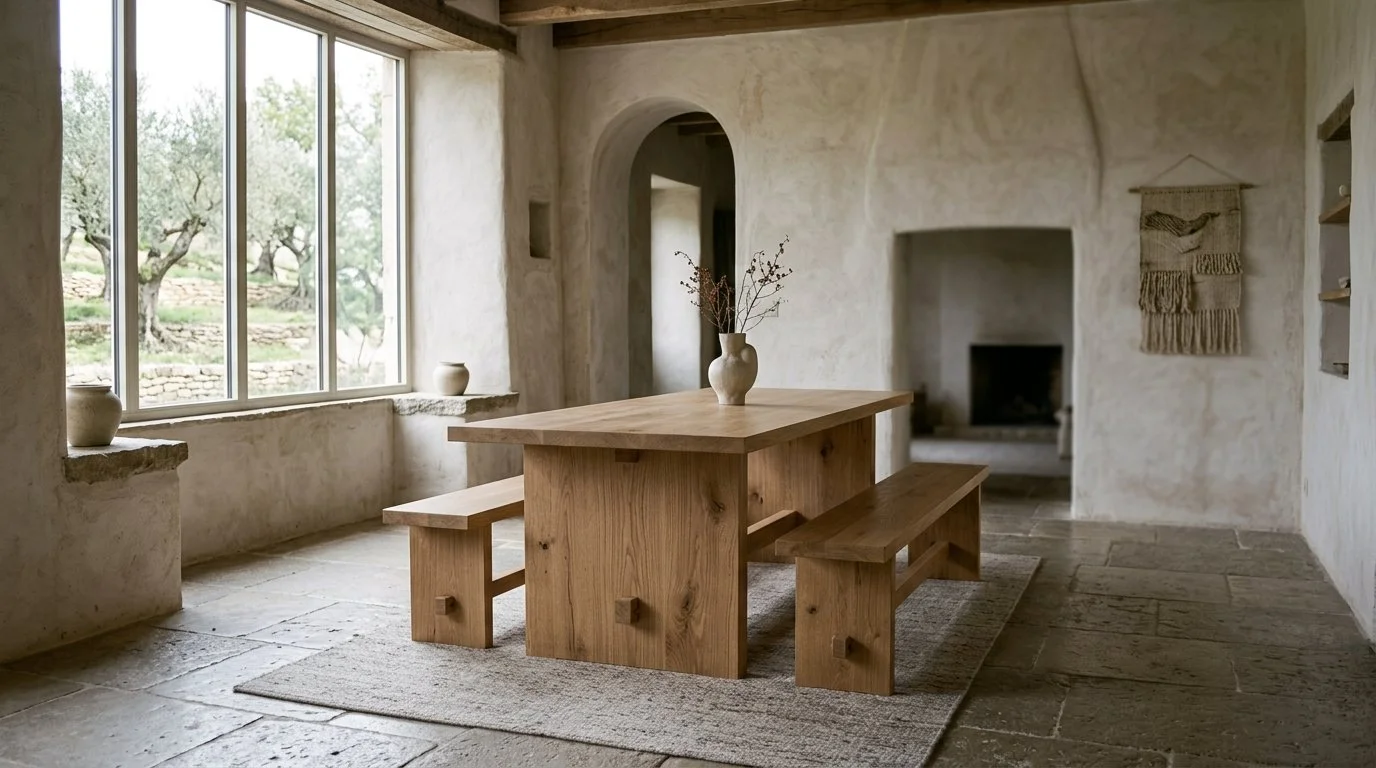
A dovetail resists being pulled apart, and a breadboard end is pinned at the center so the top can move with the seasons. The joinery and finishes behind a piece built to last, and how to write them into a specification.
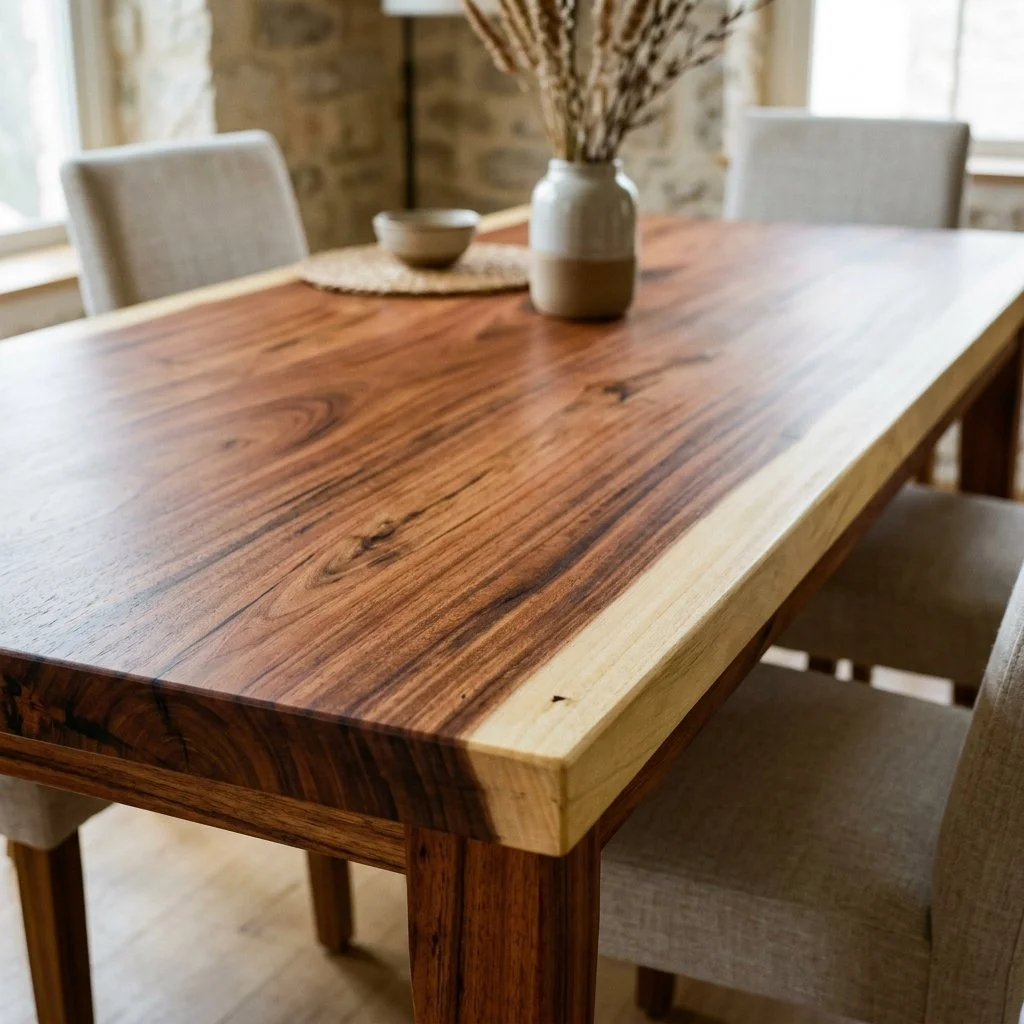
Tzalam gets sold as Mayan walnut, but it belongs to the legume family, closer to mesquite than to any walnut. What the wood actually is, and where to source it for commissioned work.
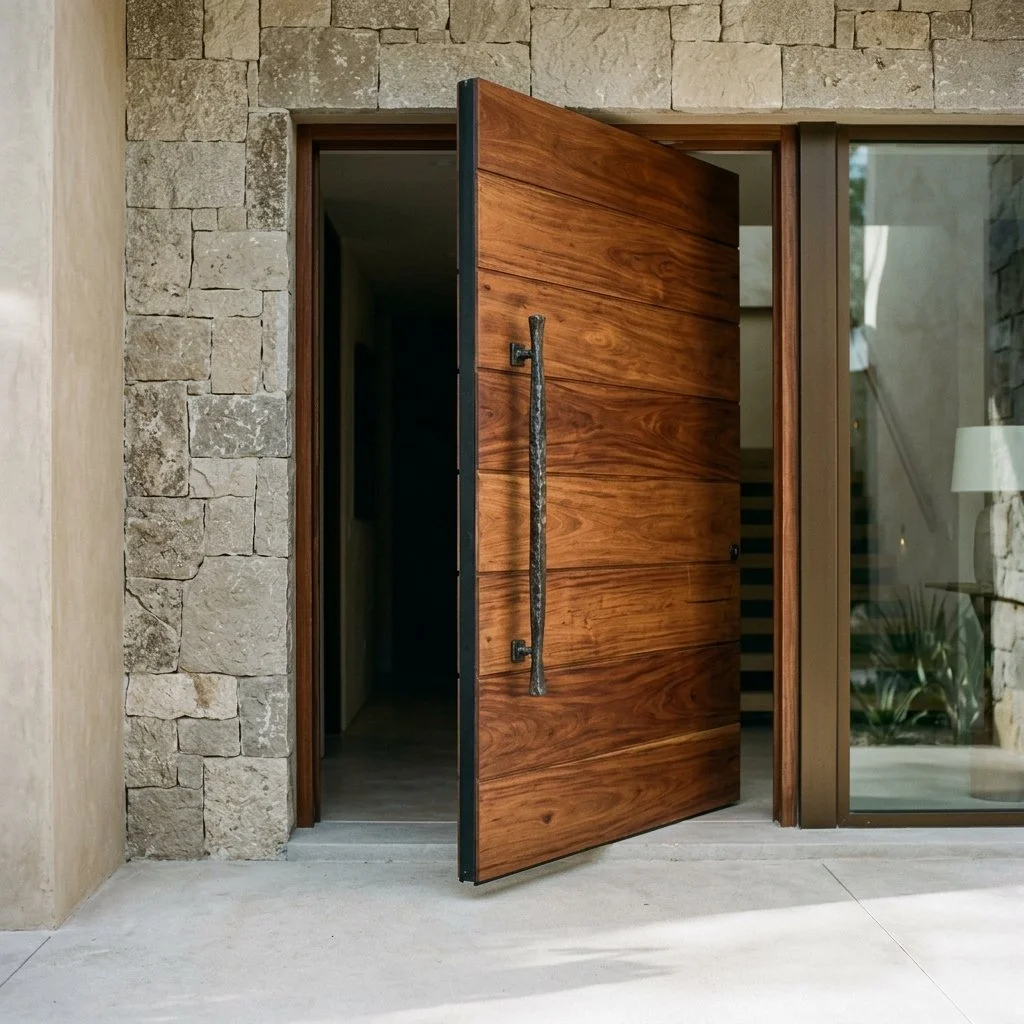
A heavy front door can hang on a pivot set into the floor, so its weight travels down instead of pulling on the frame. What goes inside a door built that way, and why it never sags.
Veneer can be as thin as a fortieth of an inch over a cheaper core. How to tell solid wood by weight and grain, and what black walnut and white oak each do as they age.