
Provenance
Every dish, every room, every material comes from somewhere specific; a region, a family, a tradition passed down long before it had a name. This is where I follow that thread, starting with kitchens from seven places I've actually wanted to understand: Oaxaca, Argentina, Brazil, Korea, Sweden, Greece, and Paris.
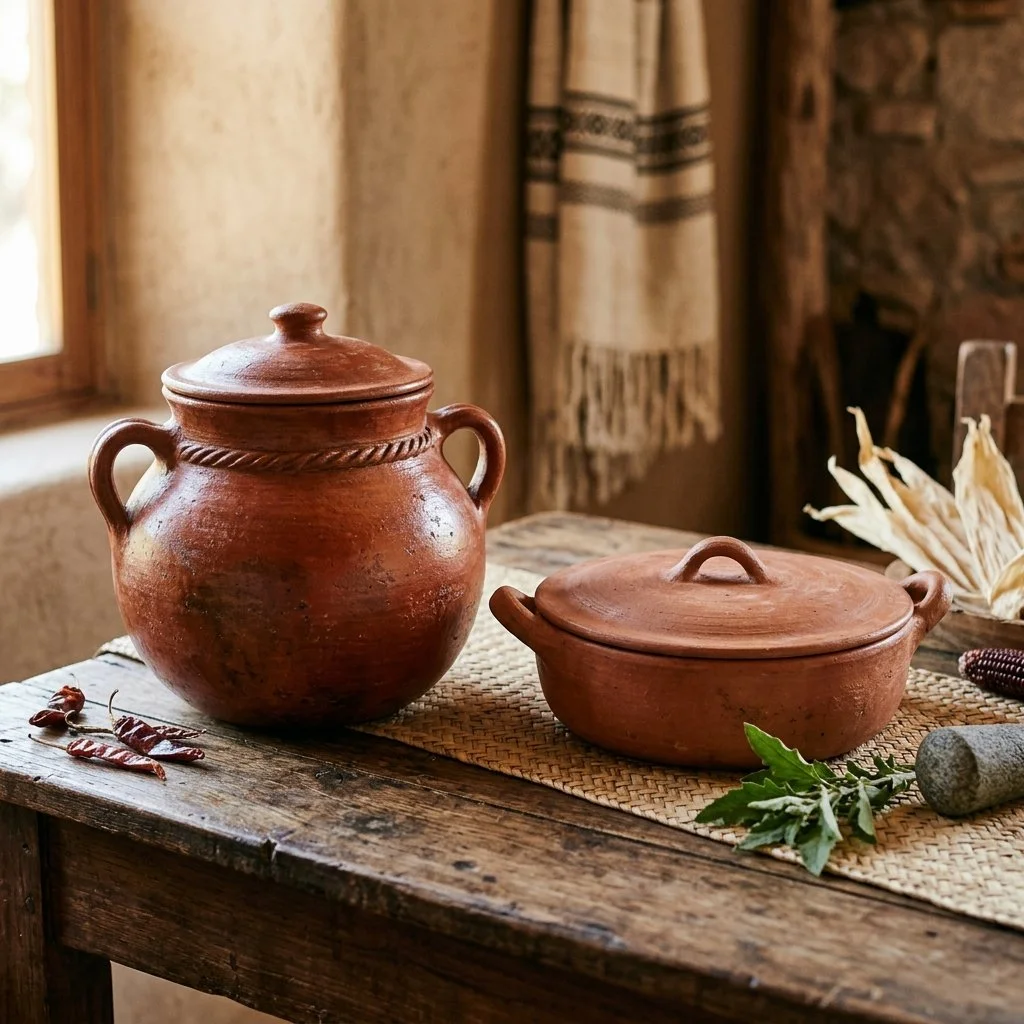
A refined exploration of Mexican kitchen design, where traditional materials, handcrafted objects, and warm textures create a timeless, grounded culinary space inspired by regional heritage and modern restraint.
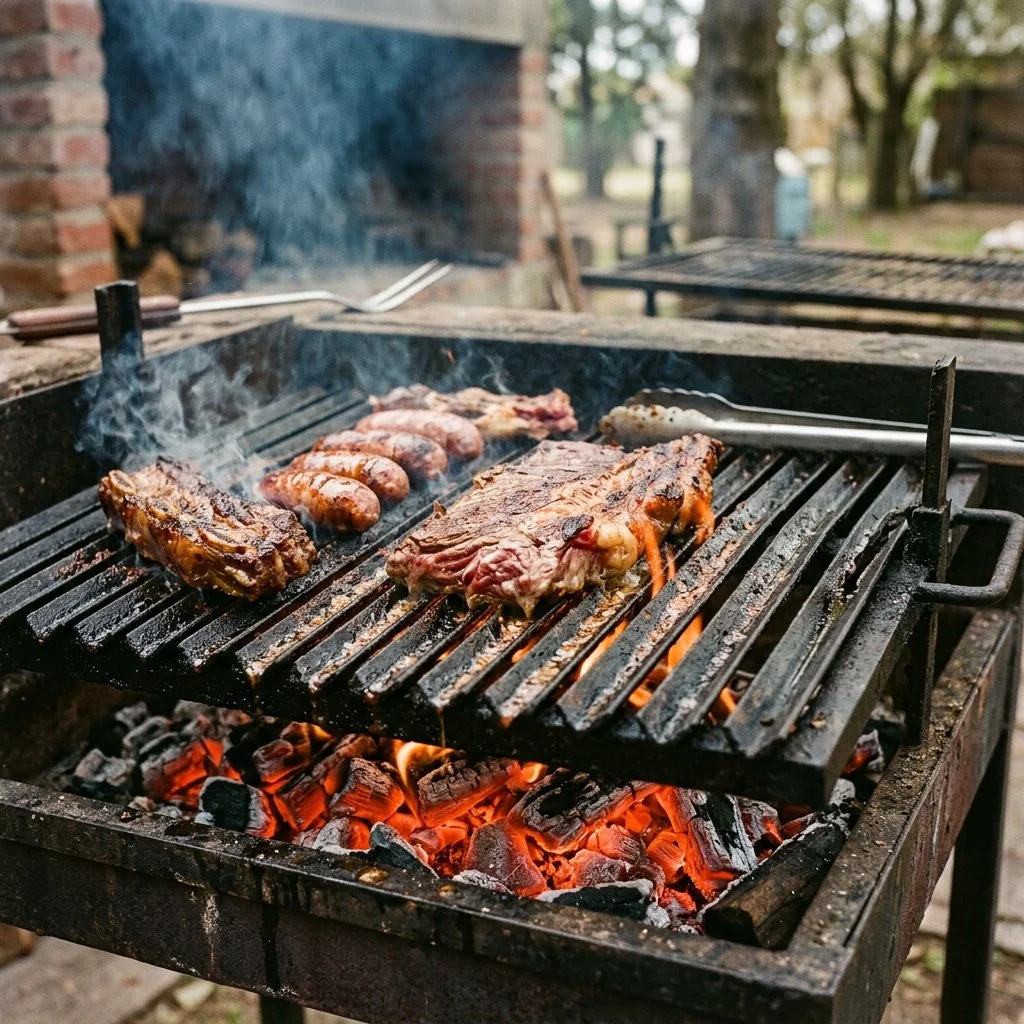
Argentinian kitchens are shaped by routine and togetherness rather than decoration. This guide explores how durable materials, communal cooking habits, and functional tableware create a space built for everyday use rather than display.
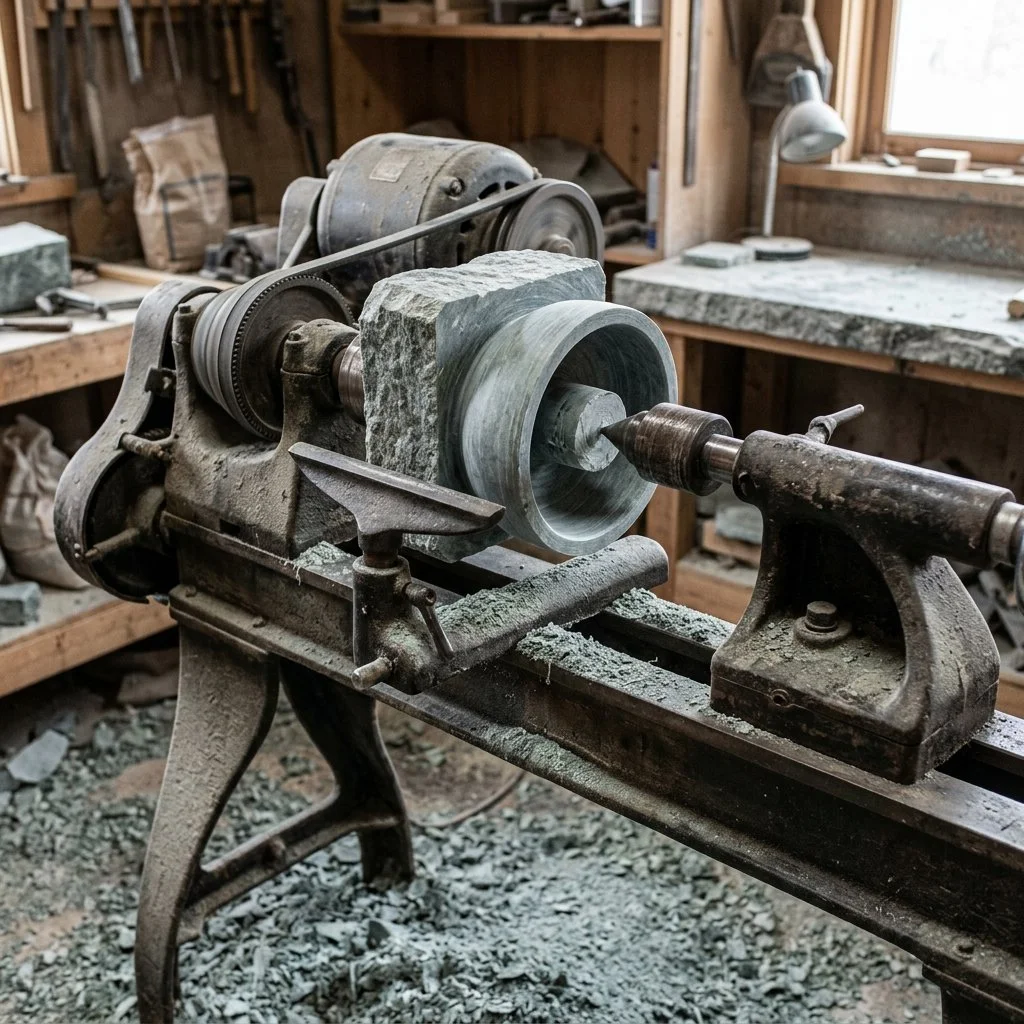
Brazilian kitchen design is shaped by rhythm, generosity, and everyday gathering. This guide explores how practical tableware, lived-in dining traditions, and warm functional essentials create kitchens designed for connection rather than display.
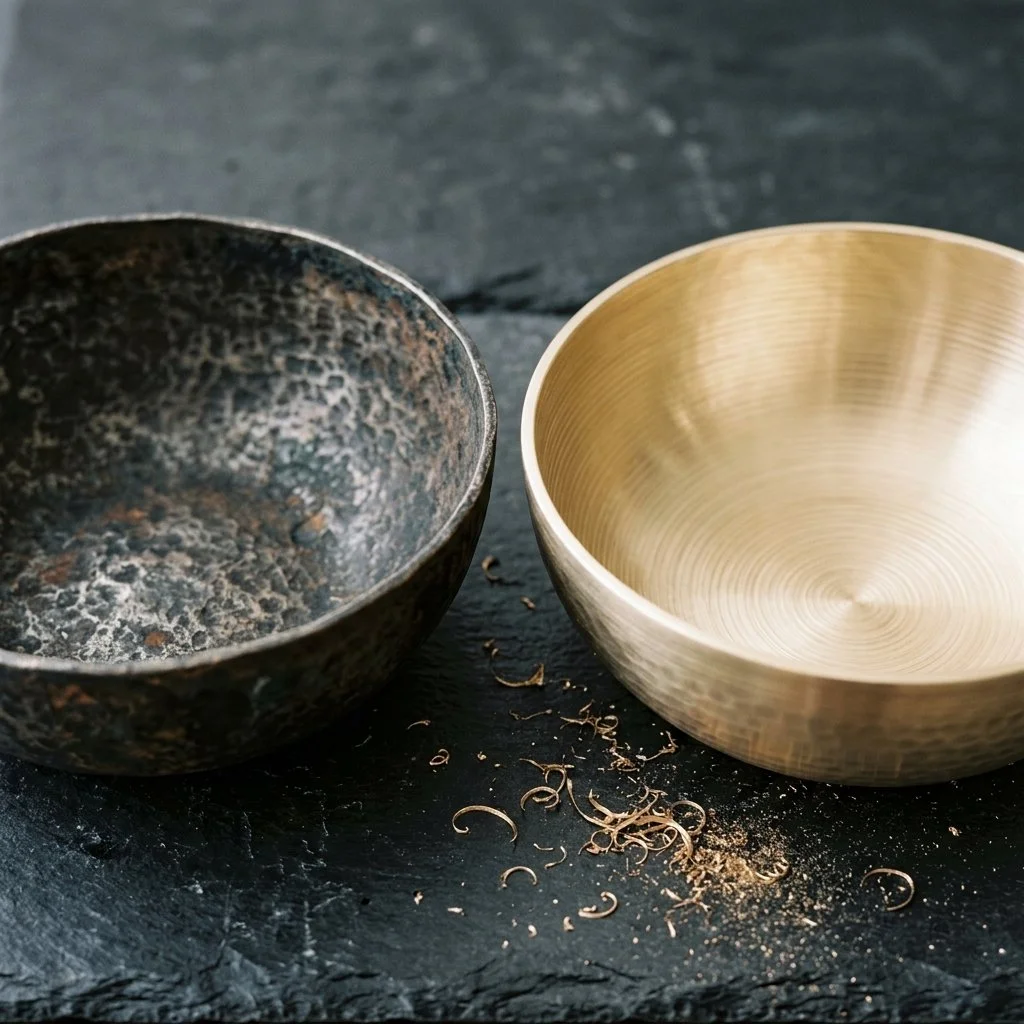
Korean kitchens reflect a balance of restraint and ritual, where function leads design. This guide explores how Seoul dining culture shapes minimalist tools, intentional tableware, and everyday objects designed for quiet efficiency and shared meals.
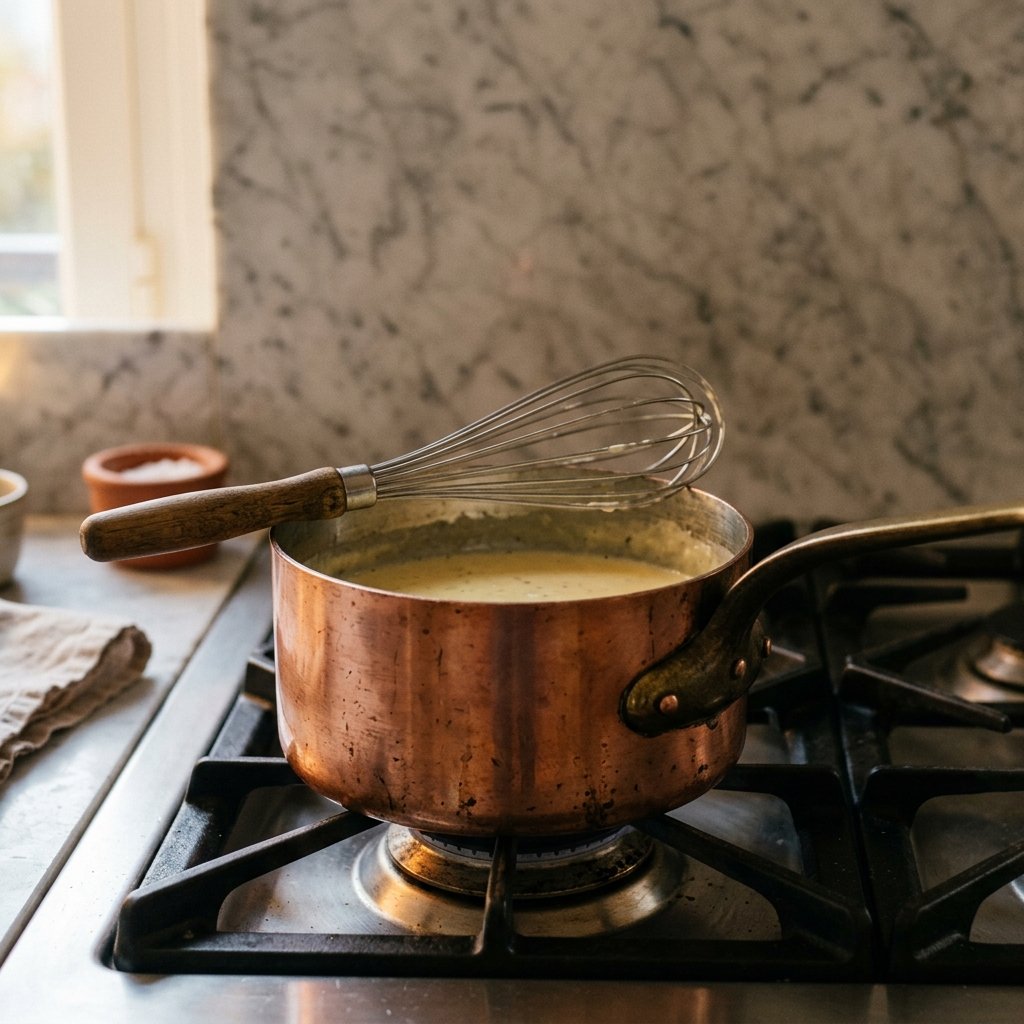
French kitchens are defined by restraint, rhythm, and respect for process. This guide explores how culinary tradition influences layout, tools, and everyday function, where elegance is found in practicality rather than decoration.

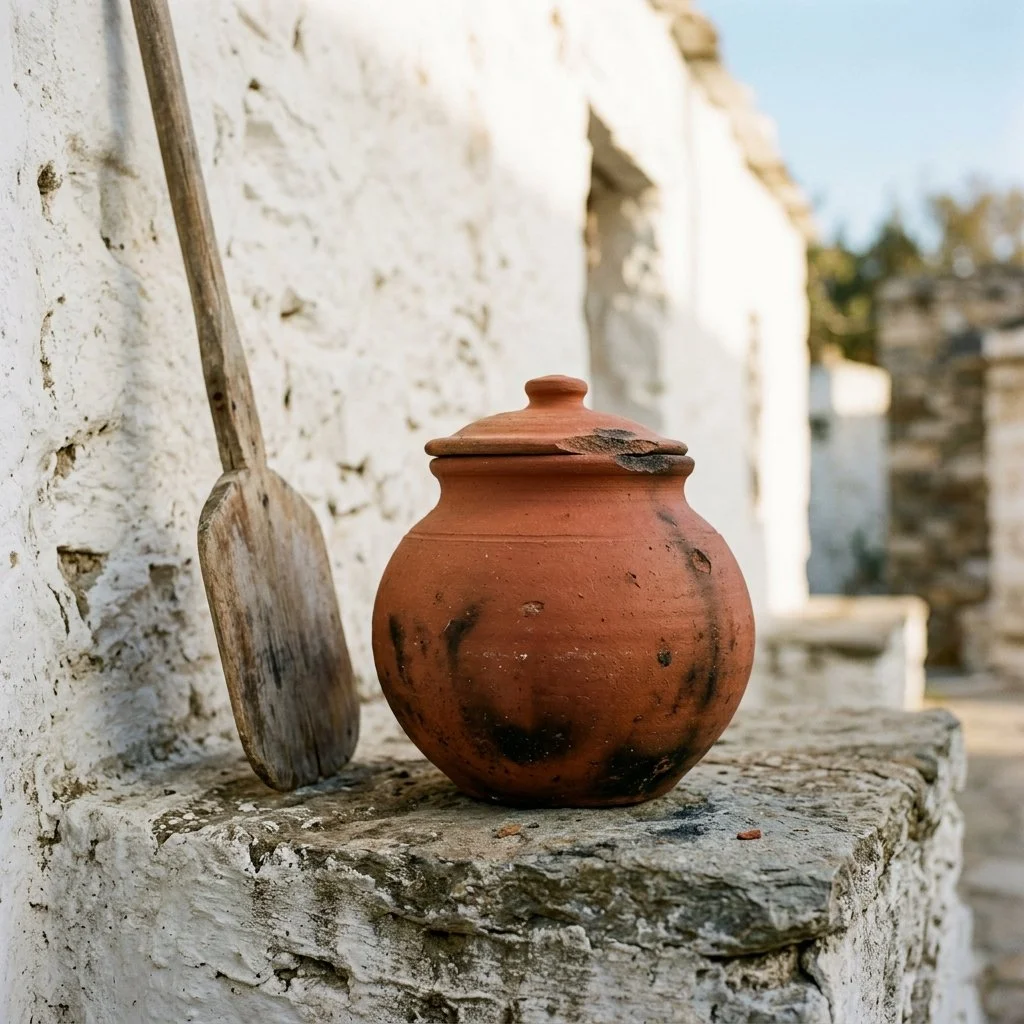
Greek kitchens reflect a slower rhythm of living, where meals are shared and materials are natural. This journal entry explores how Mediterranean traditions shape rustic ceramics, olive wood tools, and linen textures within timeless coastal interiors.