Stone & Masonry
Every slab came from somewhere specific, a quarry, a region, a history. I'm interested in the stone itself as much as what it becomes: where it was cut, who worked it, and why that origin still matters once it's installed.
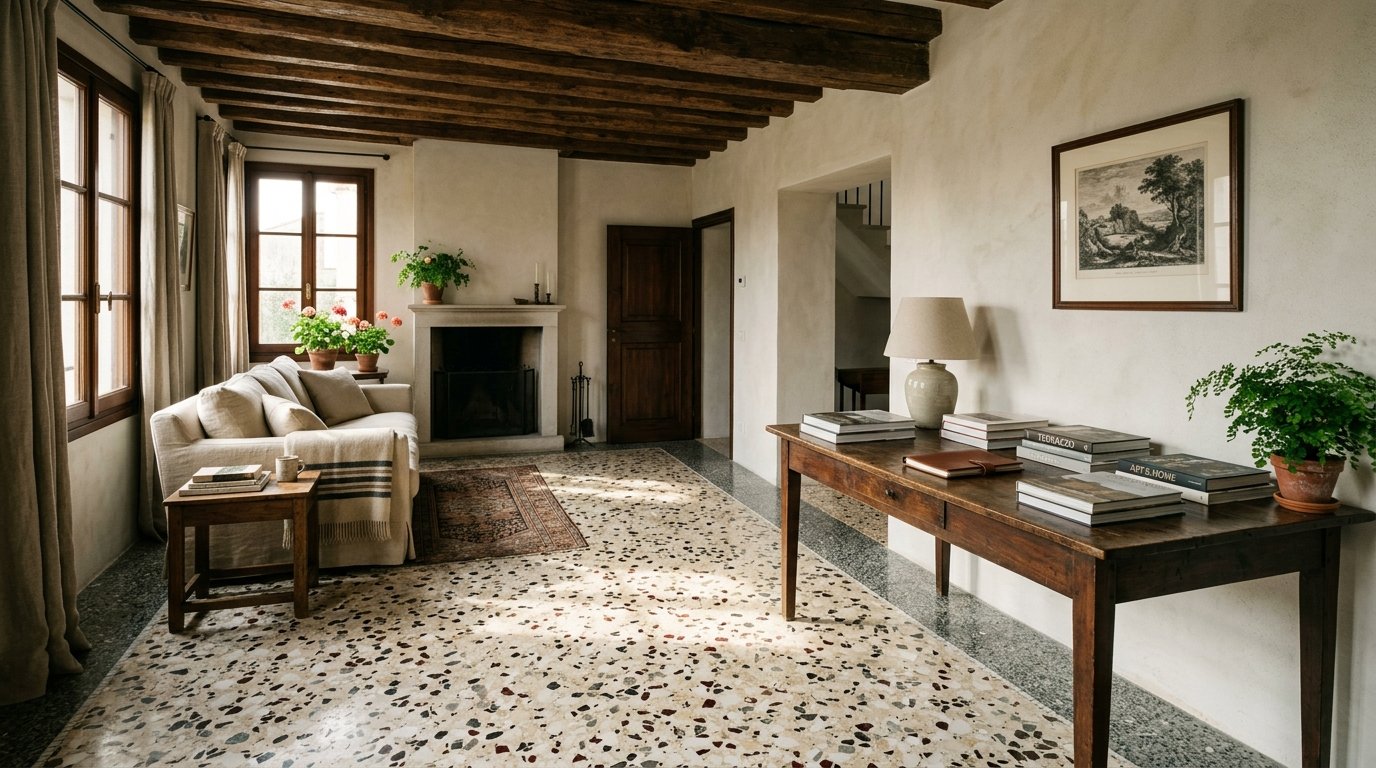
Most terrazzo poured indoors is epoxy, but the structure under the floor decides whether that’s the right call. How epoxy and cement systems differ, and why Venice laid its floors on lime over timber.
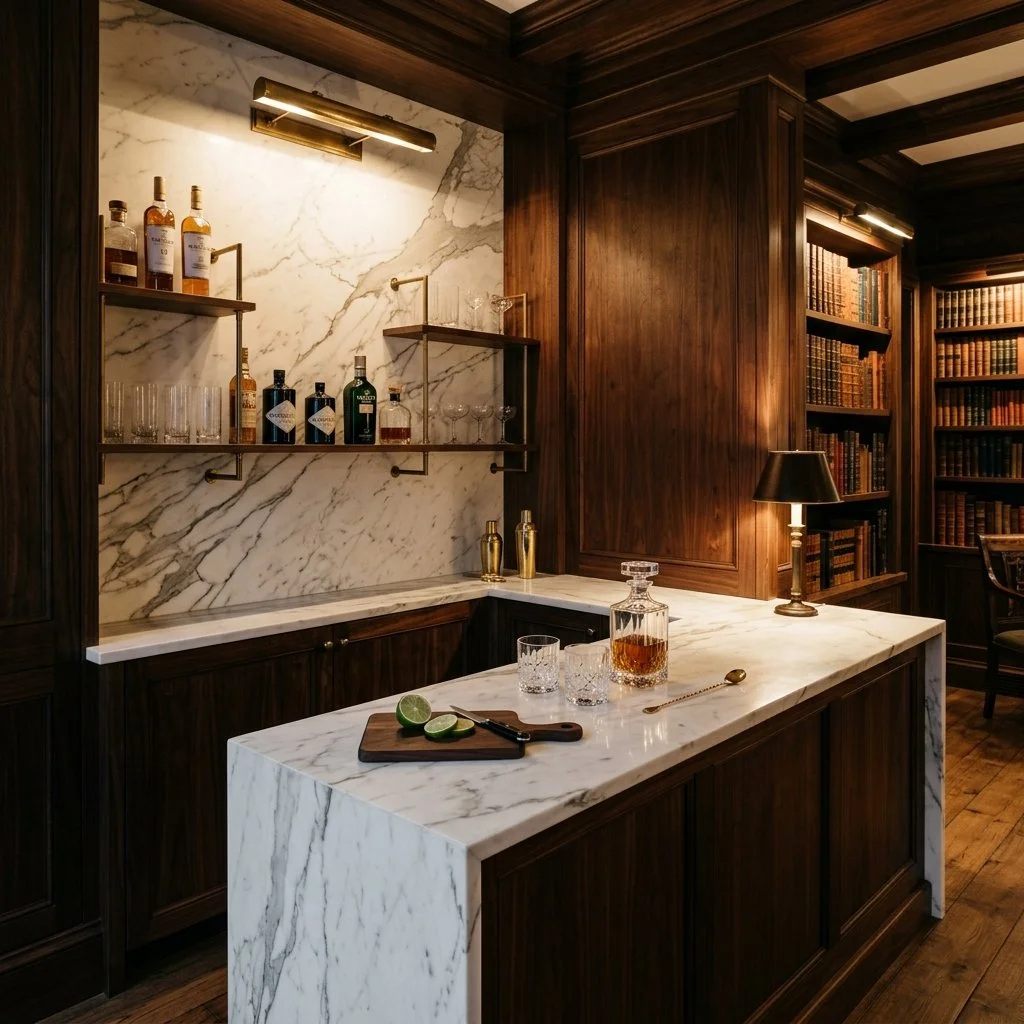
A slab sold as soft quartzite is marble, usually dolomitic marble. How to sort quartzite from marble and sandstone at the yard with a glass tile and a drop of acid, and what to check on the test data.
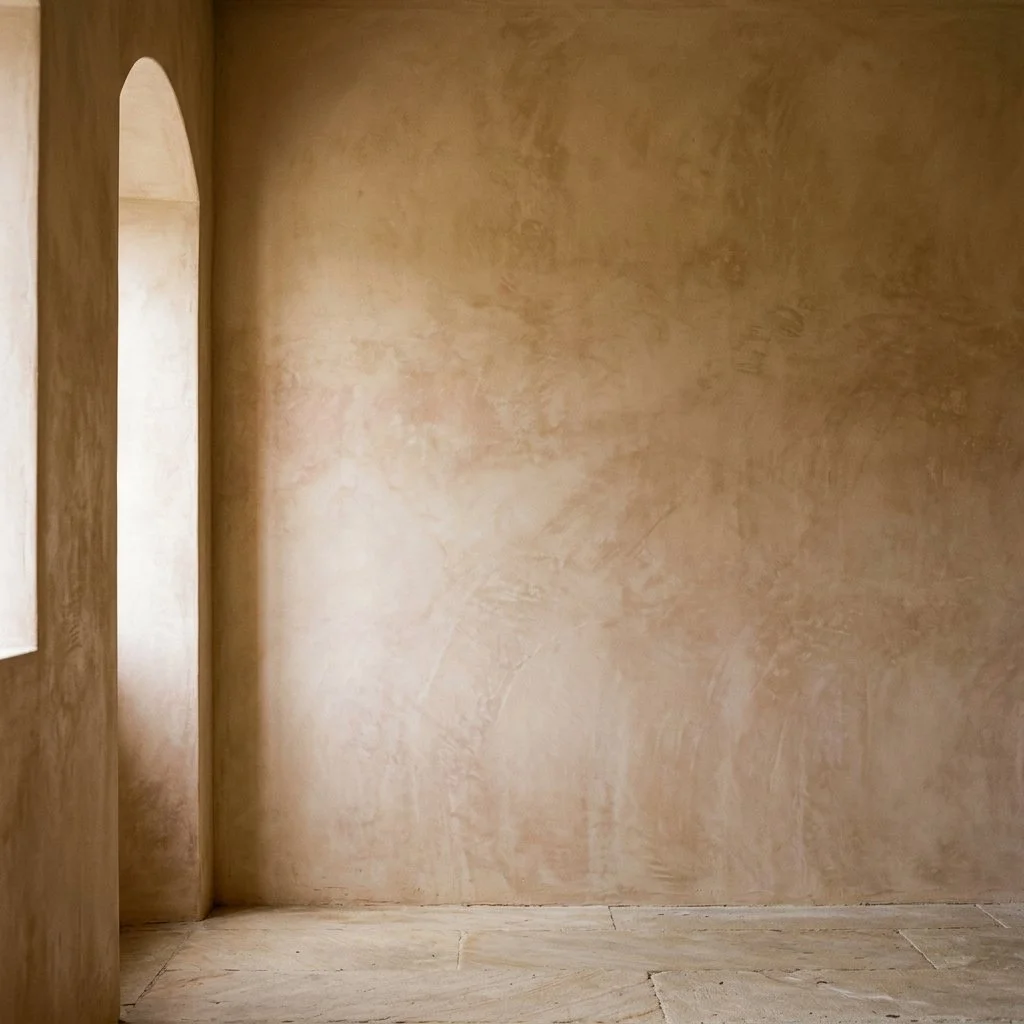
Chukum plaster is lime mixed with the bark water of a Yucatán tree, and what goes into a bag today depends on who mixed it. The lab evidence for why it works, and what to ask for before it goes on a wall.
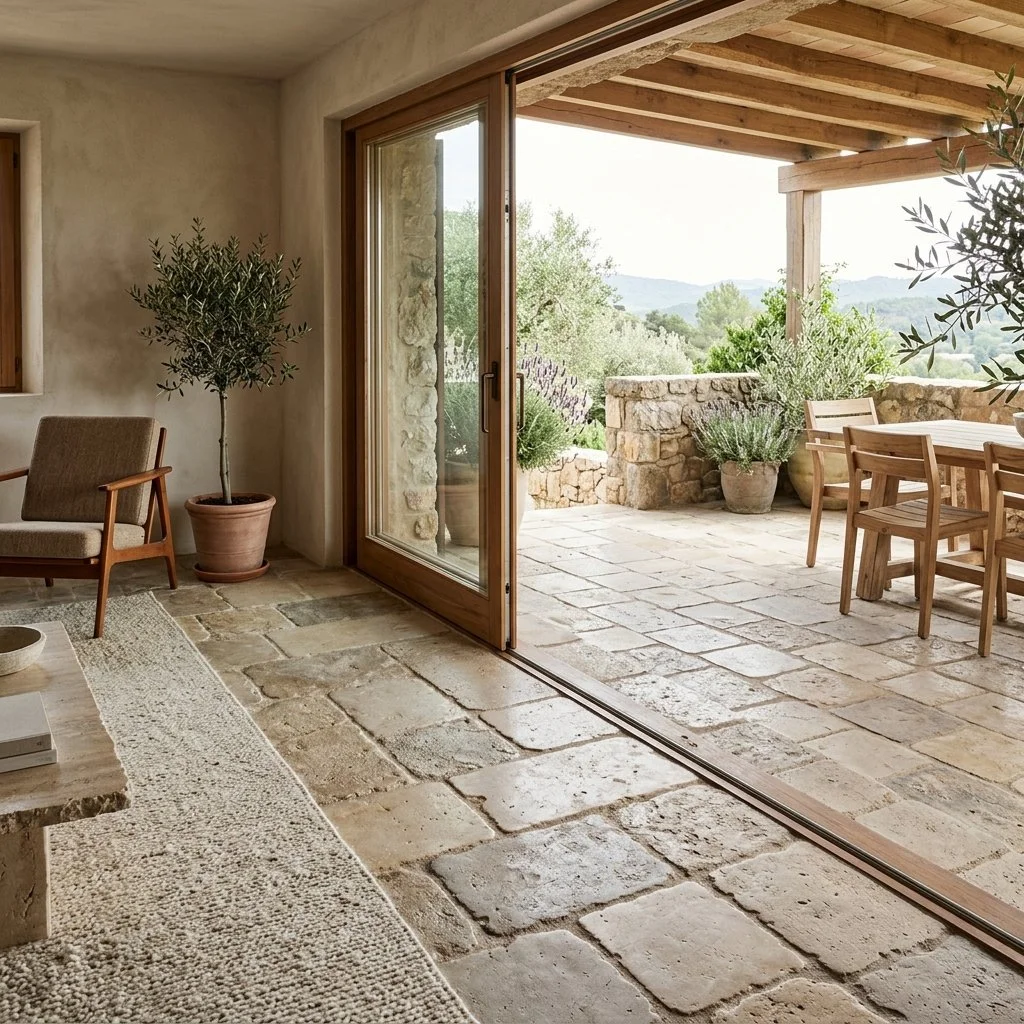
Pure limestone has no color at all. The iron oxides behind the warm tones in limestone, travertine, terracotta and Calacatta Viola, and how to match a palette by its chemistry.
A honed stone floor stops at a few hundred grit, while a polished one keeps going past 1,500. What that means for slip resistance under the ANSI wet standard, and why basalt wears more evenly than granite.
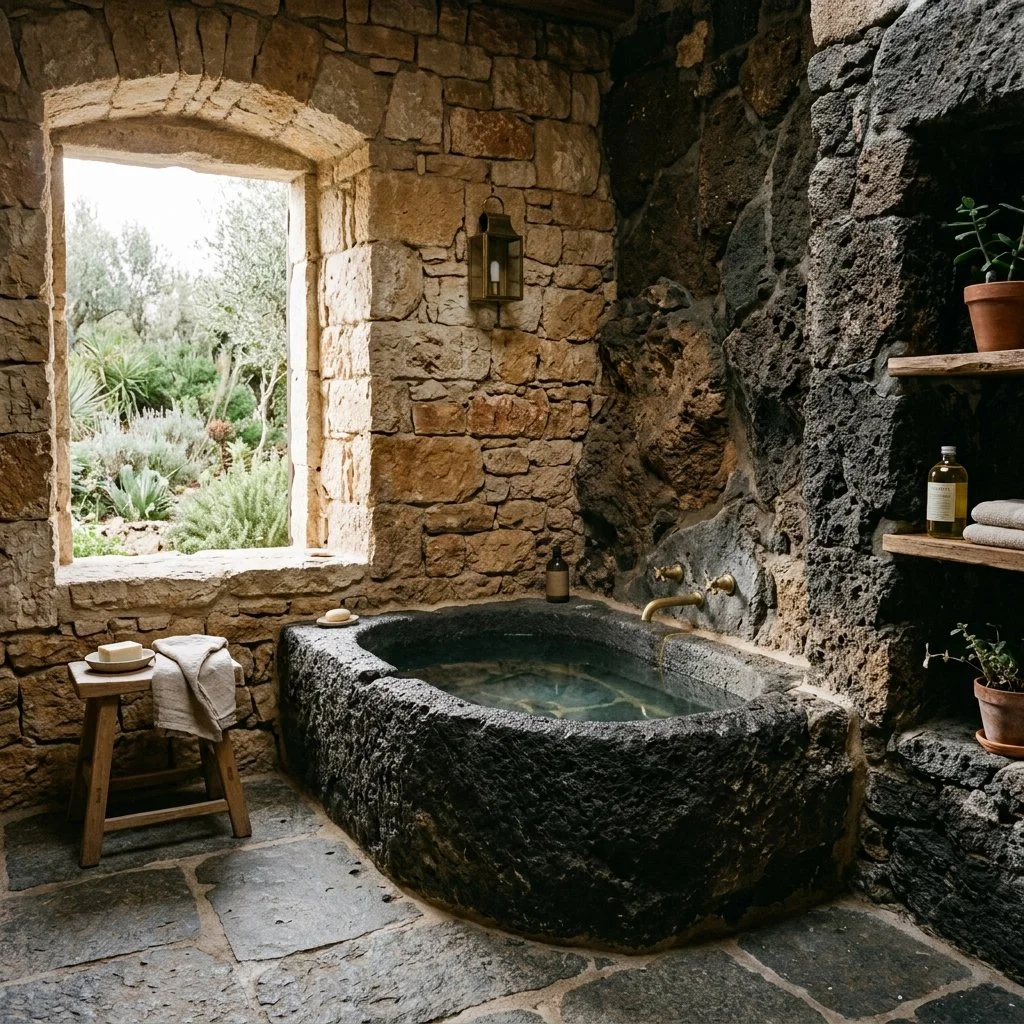
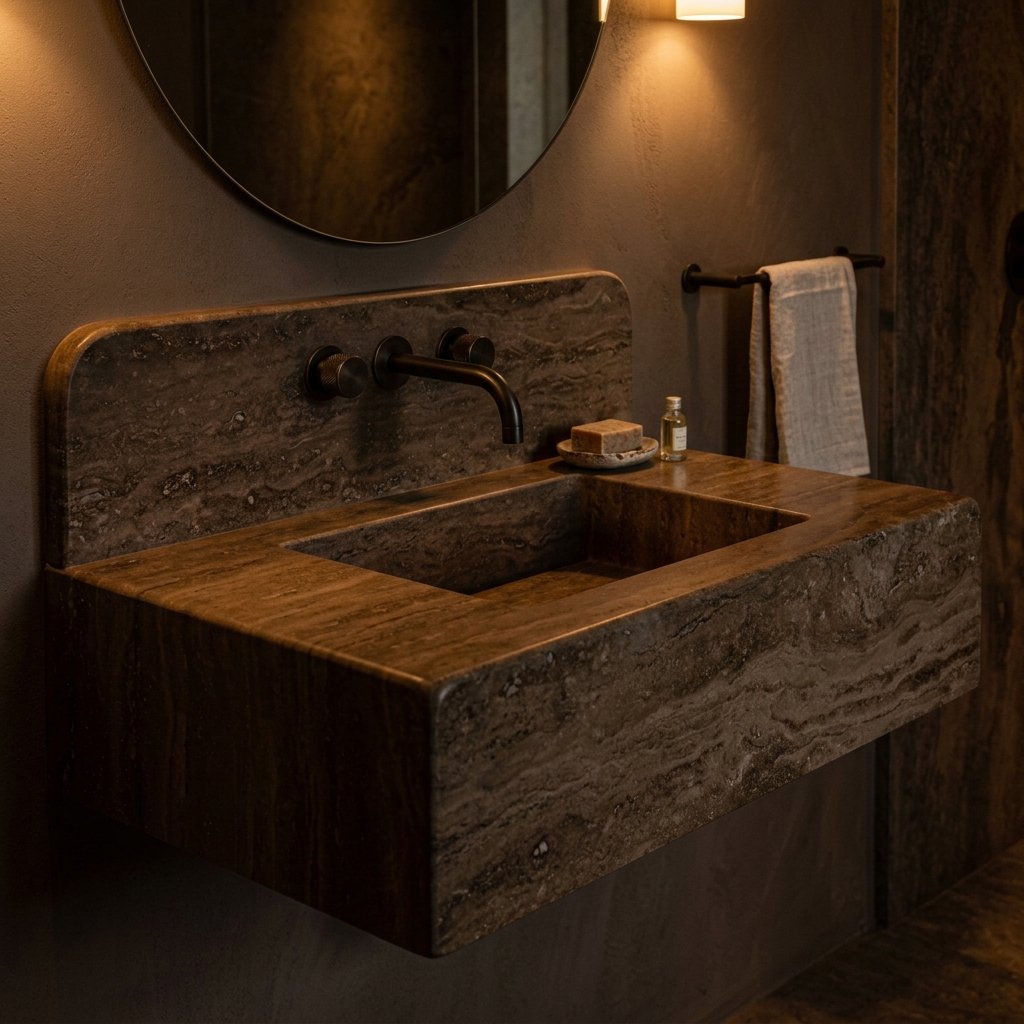
Travertine's pores are gas trapped while hot spring water deposited the stone. How that formation decides where each stone belongs in a bath, including when filled travertine is the only choice for a shower.