Not All Shou Sugi Ban Is Yakisugi
Yakisugi is Japanese cedar charred on purpose, and shou sugi ban started as a misreading of its name. The old way to make it needs three boards and a ball of paper. The boards are tied into a triangular chimney with the paper lit at the bottom. The draft pulls fire up the inside faces until they turn to charcoal, and then the chimney is tipped over to stop the burn. Takeshi Hayatsu, an architect from Okayama, has described it as an inexpensive way to clad the backs and sides of buildings, and named his home region as the place it’s used most. In North America it became a premium facade.
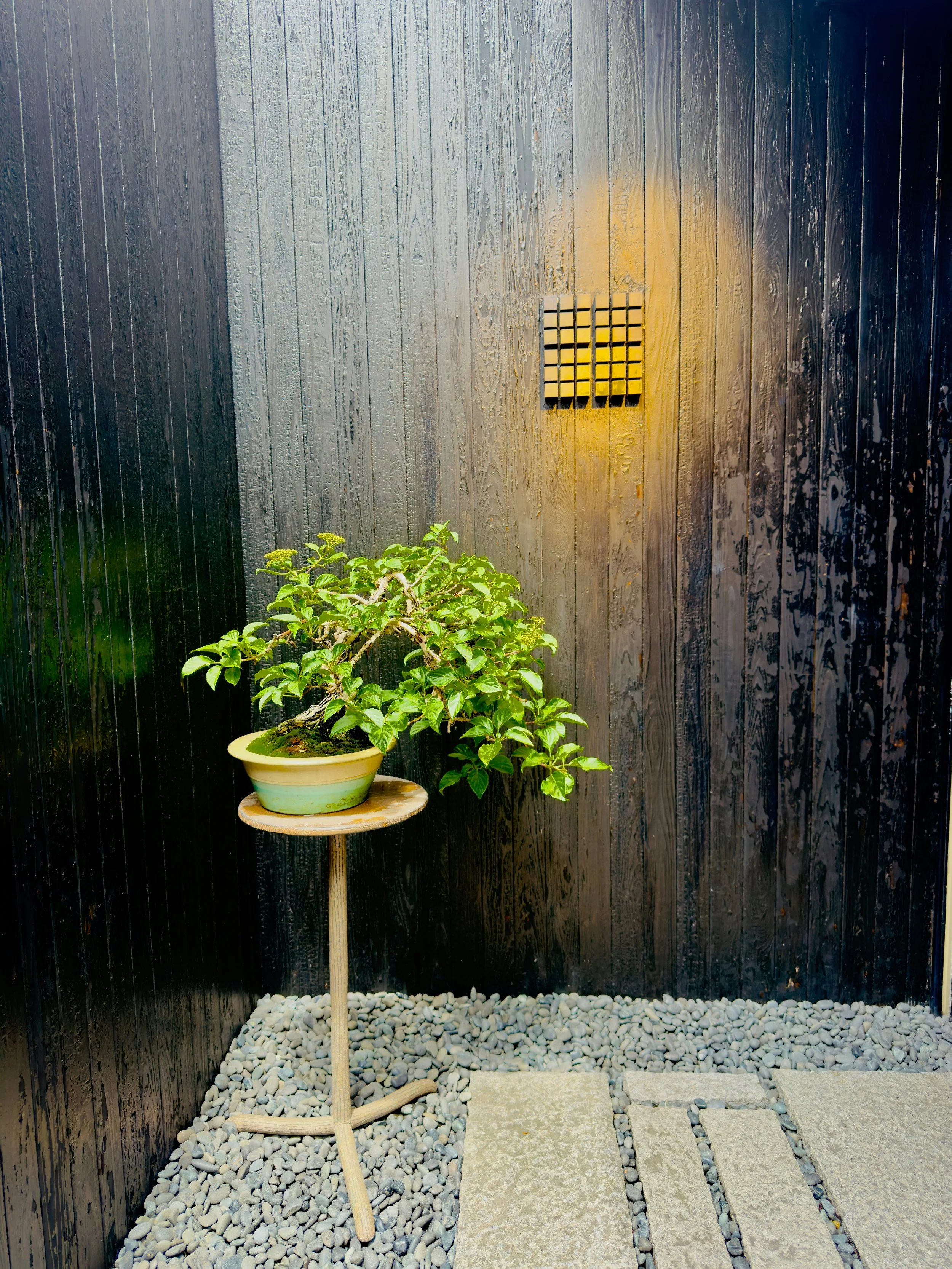
Charred wood cladding.
Shou Sugi Ban Is a Misreading
The word is 焼杉: yaki, burned, and sugi, the Japanese name for Cryptomeria japonica, the conifer the West calls Japanese cedar. The Western name came from reading the longer form, yakisugi ita, with Chinese pronunciations mixed in. Ban is the Chinese reading of the character for board. Nakamoto Forestry, a Japanese producer that spent years correcting the term, eventually started using both names on its own site, because the wrong one drew nearly ten times the audience.
Use whichever word gets the conversation started. The trouble is what the label lets through. ArchEyes traced how “shou sugi ban” became a catch all for any charred wood, whatever the species. It also pointed out that a spec using the term can come back as authentic sugi or a Western cedar board torched by machine, with paperwork that looks the same.
Name the Species on the Drawings
Even the purists draw the line in different places. Popular Woodworking holds that only charred sugi can be called yakisugi. McIlvain, a lumber distributor, counts Japanese cypress as well, and notes that some sellers burn other species and label them shou sugi ban anyway. According to Architizer, Delta Millworks, a charred wood maker, once steered the architects of a house away from its own charred Southern cypress toward charred Accoya, an acetylated radiata pine from New Zealand, for its finish and durability.
None of these is a fake. Each is a different board with different behavior. If a client wants the Japanese material, I’d write Cryptomeria japonica on the spec and let the trade name follow.
How Deep the Char Goes
Speed is where the char gets thin. In a 2022 study published in BioResources, researchers replaced the paper ball with a gas burner to improve the industrial process. The char came out thinner than the traditional method produced, and they put that down to a shorter burn. ArchEyes, in a feature built around a Japanese producer, gave traditional three board sugi a carbon layer of 3 to 10 millimeters depending on finish, against 1 to 2 millimeters for boards passed through a flame on a conveyor. Ask the supplier how the boards were burned and how deep the char runs.
Fire also cups the board. Terunobu Fujimori, the architect and historian whose trademark materials include yakisugi, used cedar charred in eight meter lengths on Yakisugi House in Nagano. The boards warped, and he filled the gaps with plaster. The black and white stripes on that facade started as a fix.
Brushed Once, Brushed Twice
Unbrushed char keeps its full scaly surface, and Nakamoto’s own spec sheet called its unbrushed, unoiled board very delicate and said it would blemish. One pass of the wire brush takes off loose soot and leaves a subtler texture. As the Woodworkers Institute describes it, a second pass strips the soft spring growth bare and leaves the harder late growth as dark ridges. Oil changes the surface again, Nakamoto described tung oil turning unbrushed char leathery and slowing how fast the soot wears away.
Inside a house, bare char rubs off on hands and clothes, so interior boards get sealed. Nakamoto sold a tung oil prefinish for exterior use only and a polyurethane prefinish for interior use. Its finish names, Suyaki and Gendai, carry its registered trademark, and another maker’s board won’t use either one. Write the finish out instead, by the number of brushing passes and whether the board is oiled.
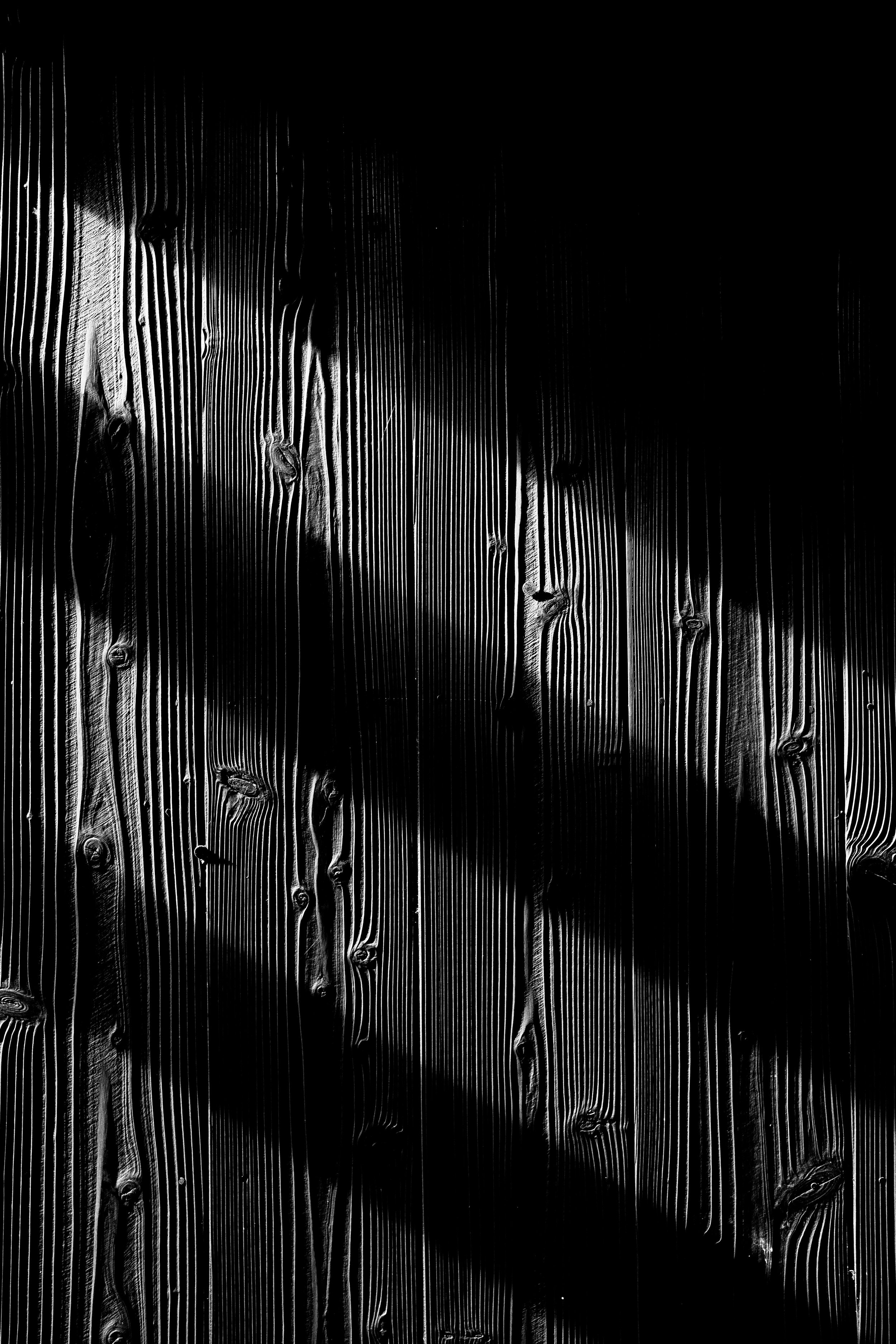
Close view of charred wood.
Is Shou Sugi Ban Fire Resistant?
The char helps. McIlvain explains that the surface layer has already given off the gases that feed ignition. A rating still belongs to one product in one finish. When I checked, Nakamoto’s fire table listed its unbrushed line as Class A, B, or C under ASTM E84, depending on finish. McIlvain, which carries charred modified woods, reported Class A for charred thermally modified ash and for charred Accoya, against Class C for uncharred cedar. Nakamoto also noted that in high fire zones, compliance usually comes from a tested wall assembly, not from the siding alone.
For a project in a wildfire zone, ask for the test report on the exact finish being specified, plus the assembly listing that covers the wall.
Four Lines on the Spec Sheet
A yakisugi spec that works names four things. The species, by its botanical name. The burn, with its method and depth. The finish, by brushing passes and oil, sealed if it’s going indoors. And the fire report for that exact finish, with the assembly listing if the site needs one. For the Japanese material, a producer with a North American warehouse is the direct route. For another species, a domestic shop that burns its own boards can answer all four lines just as well, and the drawings should say which board was chosen.